
Blogs
7 Easy Tips to Understand How Hardwood Charcoal Is Made

Table of Contents: easy understand hardwood
- 1. Wood Selection
- 2. Preparing Natural Wood
- 3. Carbonization Process
- 4. Cooling and Handling
- 5. Grading and Quality Control
- 6. Key Quality Factors
- 7. Final Considerations
Hardwood Charcoal: How Natural Wood Becomes Quality Fuel
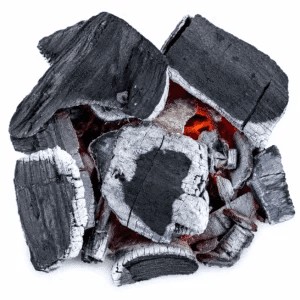
Hardwood Charcoal begins with carefully selected natural wood and a controlled carbonization process. Unlike ordinary wood burned directly in an open fire, charcoal production is designed to remove most moisture and volatile compounds while retaining a carbon-rich structure.
Understanding how Hardwood Charcoal is made helps buyers, food businesses, restaurants, and distributors evaluate consistency, burn performance, and overall product quality. Each production stage can influence the final charcoal’s density, ash level, appearance, and burning characteristics.
1. Selecting the Right Natural Wood
The process starts with suitable hardwood species. Producers generally look for dense, mature wood because its physical structure can contribute to stronger and longer-burning charcoal.
Wood should also be clean and properly prepared. The use of suitable raw materials helps create a more consistent product and reduces unwanted impurities during production.
- Dense natural hardwood is preferred for strong charcoal.
- Wood should be reasonably dry before carbonization.
- Clean raw material helps reduce unwanted contaminants.
- Consistent wood sizes can improve process control.
2. Preparing the Wood Before Carbonization
After selection, the wood is cut into manageable pieces and prepared for the production process. Uniform sizing can help heat move more consistently through the material.
Moisture is another important consideration. Excess water requires additional energy to evaporate and can make carbonization less efficient, so appropriate drying is an important preparation step.
3. The Carbonization Process
Carbonization is the central stage in making Hardwood Charcoal. The prepared wood is heated in a controlled environment with limited oxygen, allowing much of the moisture and volatile material to escape without fully burning the wood.
As heating continues, the wood gradually transforms into a carbon-rich material. Temperature control, heating time, airflow, and the design of the kiln or retort can all affect the final result.
A well-managed carbonization process aims to produce charcoal with desirable characteristics such as good structural strength, consistent appearance, and suitable burning performance. Poor control may result in partially carbonized wood, excessive ash, or inconsistent pieces.
- Controlled heat: Supports consistent carbonization.
- Limited oxygen: Helps prevent the wood from simply turning into ash.
- Proper timing: Allows the material to carbonize adequately.
- Process monitoring: Helps improve batch-to-batch consistency.
4. Cooling and Safe Handling
After carbonization, the charcoal must cool before it is handled, sorted, or packaged. Newly carbonized material can remain extremely hot and may ignite if exposed to excessive oxygen too quickly.
Controlled cooling is therefore an essential part of production. Proper handling also helps minimize breakage, preserving larger pieces that may be preferred for commercial applications.
5. Grading and Quality Control
Once cooled, Hardwood Charcoal can be sorted according to size, shape, density, cleanliness, and intended application. Screening helps separate fines and small fragments from larger pieces.
Quality control may also involve checking moisture, ash content, fixed carbon, and other relevant characteristics. Consistent grading makes it easier for buyers to select charcoal suited to their specific requirements.
For general background on charcoal and carbon-related materials, readers can explore this trusted reference on Wikipedia. For commercial inquiries and product information, visit CV BERKAH WIJIL.
6. Key Factors That Influence Hardwood Charcoal Quality
Several factors determine the final characteristics of Hardwood Charcoal. Wood species, density, moisture content, carbonization conditions, cooling procedures, and post-production handling all contribute to product performance.
- Wood species: Different hardwoods can produce different density and burning characteristics.
- Moisture: Properly prepared wood supports more efficient processing.
- Carbonization: Consistent heating helps create uniform charcoal.
- Density: Denser pieces can offer useful burn characteristics.
- Ash content: Lower unwanted mineral residue can be desirable for many applications.
- Storage: Dry, protected storage helps prevent moisture absorption after production.
7. Why Understanding the Production Process Matters
Knowing how Hardwood Charcoal is produced makes it easier to understand why products differ in appearance, density, burn duration, and ash production. It also helps importers, wholesalers, restaurants, and end users make more informed purchasing decisions.
From natural wood selection to controlled carbonization, cooling, grading, and storage, every stage has a role in creating a reliable charcoal product. Careful production and consistent quality control are essential for businesses seeking dependable natural wood charcoal for commercial use.
Direvisi oleh adminDG
Related Posts

7 Essential Tips for Choosing the Best Charcoal Briqquetes for Shisha and BBQ
-
Posted by
 amirrehman98@gmail.com
7 Tips Coconut Charcoal Briquettes untuk Shisha dan Hookah
-
Posted by
amirrehman98@gmail.com

Hardwood Charcoal vs Coconut Charcoal 2026: Which Is Better?
-
Posted by
amirrehman98@gmail.com
7 Powerful Tips for Choosing Charcoal Cube Briquettes
-
Posted by
amirrehman98@gmail.com
7 Expert Tips for Choosing Charcoal for Commercial BBQ
-
Posted by
amirrehman98@gmail.com
Coconut Charcoal Briquettes: 7 Powerful Key Differences
-
Posted by
amirrehman98@gmail.com
Charcoal Premium 2026: Price Guide & Trusted Suppliers
-
Posted by
amirrehman98@gmail.com
7 Premium Hardwood Charcoal Briquettes Tips for Commercial BBQ
-
Posted by
amirrehman98@gmail.com
7 Powerful Charcoal Sticks Tips for Better Grilling
-
Posted by
amirrehman98@gmail.com
7 Proven Tips: How Hardwood Charcoal Is Made from Natural Wood
-
Posted by
amirrehman98@gmail.com
7 Premium Charcoal Cube Briquettes Tips for Hookah & Shisha
-
Posted by
amirrehman98@gmail.com
Hardwood Lump Charcoal: 7 Powerful Facts vs Briquettes
-
Posted by
amirrehman98@gmail.com