
Blogs
Coconut Charcoal Briquettes: 7 Powerful Key Differences

Coconut Charcoal Briquettes vs Hardwood Charcoal: 7 Key Differences: 7 powerful key differences
Table of Contents
H2 2: Ash, Smoke, and Cleanliness Standards
- Overview and main differences
- Heat and burn performance
- Ash, smoke, and cleanliness
- Sustainability and raw materials
- Choosing the right charcoal
- Buying considerations
Coconut Charcoal Briquettes and hardwood charcoal are widely used solid fuels, but they are made from different raw materials and can behave differently during use. Understanding these differences helps restaurants, shisha businesses, distributors, and other commercial buyers select fuel according to their operating needs.
H2 4: Choosing the Right Charcoal for Your Commercial Application
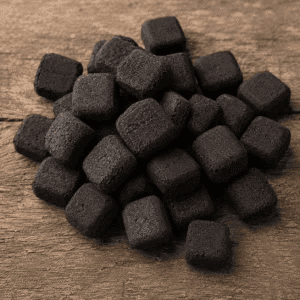
1. Heat and Burn Performance
Coconut Charcoal Briquettes are compressed from processed coconut shell charcoal and are commonly produced in uniform shapes. Consistent size and density can support predictable burning, which is useful when businesses need repeatable fuel performance.
Hardwood charcoal is produced from wood and can vary in size, density, and moisture depending on the production process. These factors may affect ignition, heat output, and how evenly individual pieces burn.
2. Burn Time
One of the commonly discussed advantages of Coconut Charcoal Briquettes is their relatively steady and long-lasting burn when properly carbonized and compressed. Actual performance depends on density, moisture, airflow, and manufacturing quality.
Hardwood charcoal can also provide strong heat, but burn duration may vary more between pieces because natural wood charcoal often has less standardized dimensions and density.
3. Ash and Cleanliness
Quality Coconut Charcoal Briquettes are often designed to produce low ash, making them practical for applications where frequent cleaning is inconvenient. Low-ash performance is particularly relevant for shisha and food-service operations.
Hardwood charcoal may produce different ash levels depending on the wood species and production method. Buyers should therefore check product specifications rather than assuming every charcoal type performs identically.
4. Shape and Handling
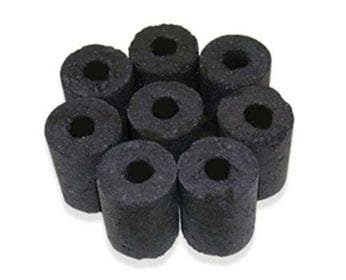
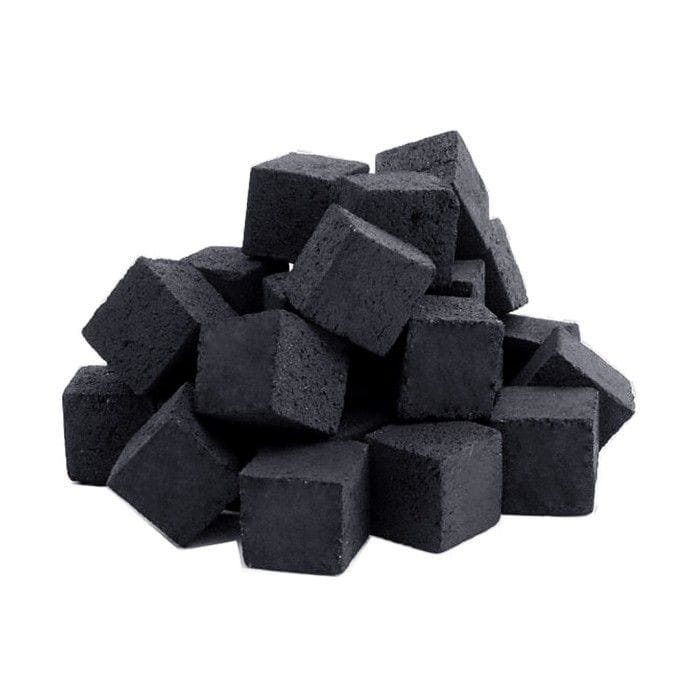
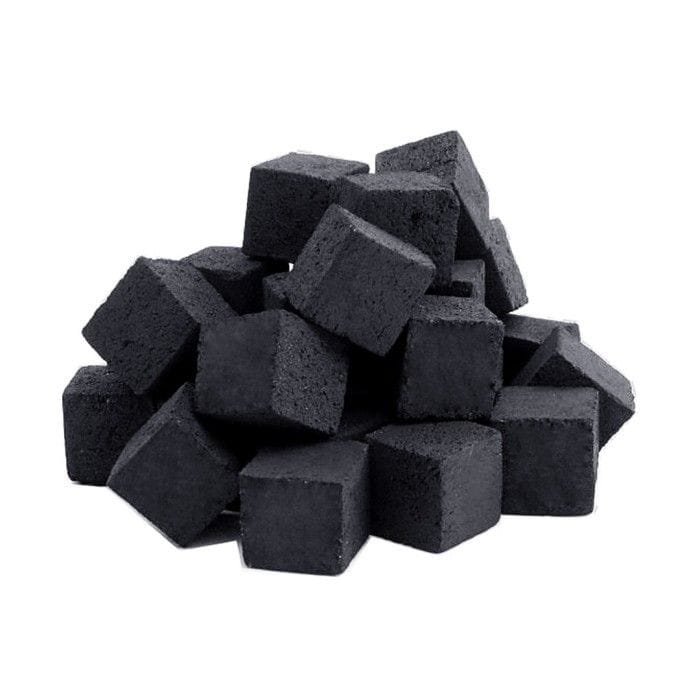
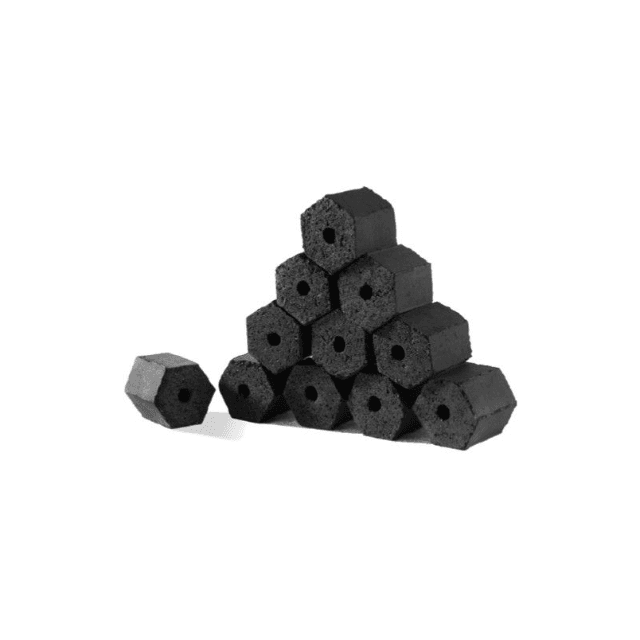
Coconut Charcoal Briquettes are molded into standardized cubes, hexagons, flats, or other commercial shapes. Uniform pieces make packaging, storage, portioning, and inventory management easier for distributors and end users.
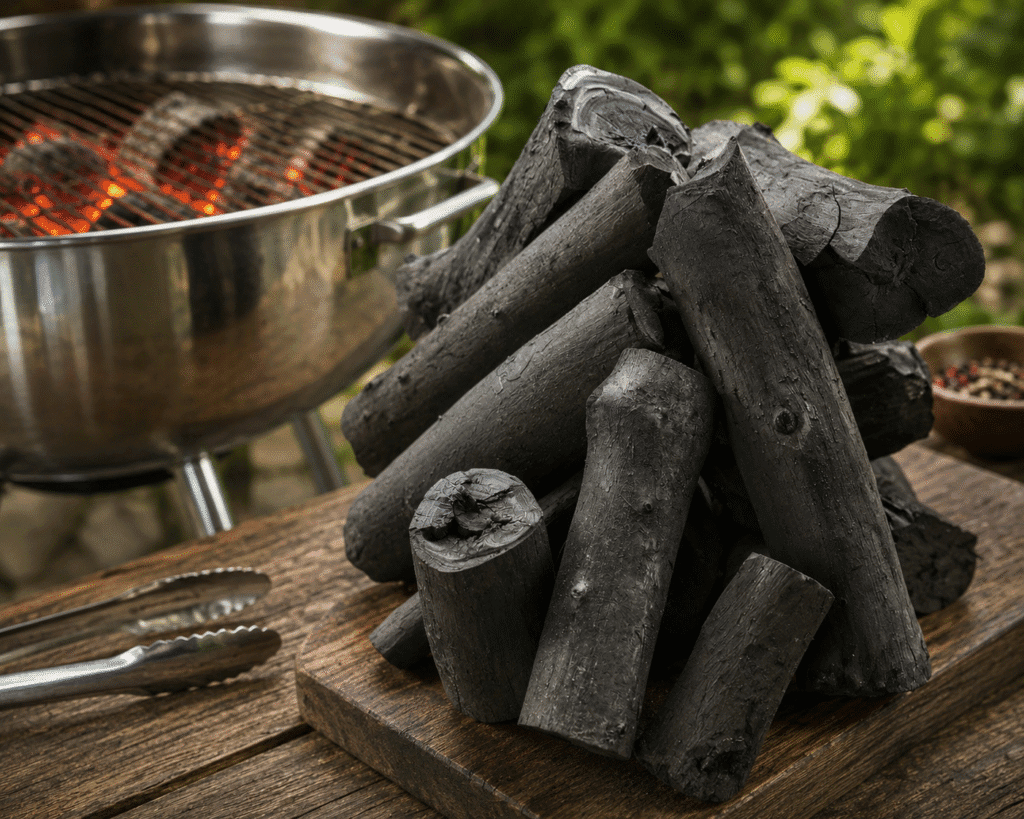
Hardwood charcoal commonly has irregular shapes because it retains the structure of the original wood. This can be useful for some grilling applications, but it may be less convenient where consistent portion sizes are important.
5. Raw Materials and Sustainability
Coconut Charcoal Briquettes are generally made from coconut shells, an agricultural by-product that can otherwise become waste. Turning shells into fuel creates an additional use for this material and supports a circular approach to biomass utilization.
Hardwood charcoal uses timber as its primary raw material. Sustainability depends on factors such as responsible sourcing, forestry practices, processing efficiency, and supply-chain transparency.
For general background on charcoal and carbon-based fuels, buyers can review this trusted reference.
6. Common Applications
Coconut Charcoal Briquettes are widely associated with shisha and hookah because standardized pieces, stable burning, and controlled ash can support a consistent user experience. They can also be considered for selected restaurant, catering, and household applications.
Hardwood charcoal is commonly used for grilling and cooking, especially where users prefer natural wood aroma and irregular lump sizes. The best option depends on the equipment, cooking method, heat requirement, and purchasing priorities.
7. What Buyers Should Compare
When sourcing Coconut Charcoal Briquettes, commercial buyers should look beyond price alone. Product specifications and supplier consistency can have a direct impact on operating costs and customer satisfaction.
- Fixed size and shape for consistent handling
- Moisture level and packaging quality
- Ash content and burn duration
- Raw material source and production process
- Available grades, carton sizes, and minimum order quantities
- Export documentation and supply capacity
Quality and Supplier Consistency
For international buyers, consistent quality from one shipment to another is an important sourcing consideration. Testing samples before placing larger orders can help verify specifications such as moisture, ash content, density, ignition behavior, and burn characteristics.
Buyers should also discuss packaging, carton weight, labeling, production capacity, lead times, and shipping arrangements with suppliers. Clear specifications can make wholesale purchasing easier and reduce misunderstandings during repeat orders.
Conclusion
Coconut Charcoal Briquettes and hardwood charcoal each have distinct characteristics. Briquettes emphasize standardized shape, controlled production, and consistent handling, while hardwood charcoal can offer natural variation and strong performance for traditional grilling.
For businesses comparing suppliers, evaluating specifications, testing samples, and confirming production capacity can provide a clearer basis for purchasing decisions. Visit CV BERKAH WIJIL to explore charcoal products and sourcing information.
Direvisi oleh adminDG
Related Posts
7 Reasons Coconut Shell Charcoal Briquettes Power Shisha Lounges
-
Posted by
 amirrehman98@gmail.com
5 Reasons Coconut Charcoal Briquettes Are the Future of Clean Fuel
-
Posted by
amirrehman98@gmail.com
5 Critical Quality Metrics for Premium Charcoal Briquettes
-
Posted by
amirrehman98@gmail.com
5 Reasons Pure Coconut Shell Charcoal Outperforms Wood in Hookah
-
Posted by
amirrehman98@gmail.com
5 Top Reasons Coconut Charcoal Briquettes Rule Shisha Lounges
-
Posted by
amirrehman98@gmail.com
5 Reasons Coconut Shell Charcoal Briquettes Power Ultimate Hookah
-
Posted by
amirrehman98@gmail.com

7 Essential Tips for Choosing the Best Charcoal Briqquetes for Shisha and BBQ
-
Posted by
amirrehman98@gmail.com

5 Top Reasons Shisha Lounges Prefer Coconut Shell Charcoal Briquettes
-
Posted by
amirrehman98@gmail.com
How Charcoal Briquettes Are Made: 7 Premium Production Steps
-
Posted by
amirrehman98@gmail.com
7 Best Reasons Coconut Charcoal Briquettes Elevate Lounge Heat
-
Posted by
amirrehman98@gmail.com
Coconut Charcoal vs Wood Charcoal 100% Best Comparison
-
Posted by
amirrehman98@gmail.com
5 Reasons Coconut Shell Charcoal Briquettes Outperform Wood Fuel
-
Posted by
amirrehman98@gmail.com