
Blogs
Coconut Charcoal vs Wood Charcoal 100% Best Comparison

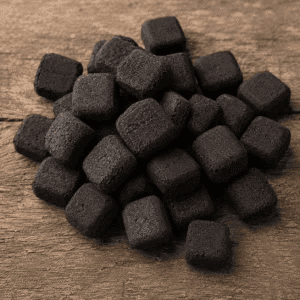
Coconut vs wood charcoal comparison helps lounges choose the best hookah and grilling fuel.
Coconut vs Wood Charcoal: Which Is Best for Lounges?
Table of Contents
- Introduction to Shisha Fuel Selection
- 1. Coconut Charcoal Advantages and Trade-Offs
- 2. Wood Charcoal Features and Limitations
- 3. Burning Duration and Thermal Output Comparison
- 4. Ash Content, Smoke Odor, and Flavor Purity
- 5. Eco-Friendly Sourcing and Industrial Supply
Introduction to Shisha Fuel Selection
Selecting the right fuel source is vital for shisha lounge owners aiming to deliver a flawless hookah experience. Premium Coconut Charcoal made from Indonesian coconut shells has emerged as the premier industry standard, competing directly against traditional hardwood charcoal options.
While both fuel types serve commercial venues, their combustion profiles, burn times, and smoke purity differ significantly. You can learn more about general carbonization processes and fuel properties in this guide on charcoal production.
1. Coconut Charcoal Advantages and Trade-Offs
The primary advantage of high-density Coconut Charcoal is its remarkable burn duration of up to 2.5 hours per session. It burns cleanly without producing sparks, unpleasant odors, or chemical smoke that could distort delicate shisha tobacco flavors.
On the downside, compressed Coconut Charcoal requires an electric stove or burner coil for initial ignition, taking approximately 5 to 10 minutes to light fully. However, lounge operators gladly accept this initial lighting time in exchange for steady, long-lasting heat performance.
2. Wood Charcoal Features and Limitations
Traditional wood charcoal lights up quickly and easily, making it popular for rapid outdoor grilling setups. Certain hardwoods also impart a natural woody aroma that some traditional barbecue enthusiasts enjoy during meat cooking.
However, for commercial shisha lounges, lump wood charcoal presents severe drawbacks, including fast burn-out rates and uneven heat distribution. Furthermore, wood charcoal produces higher ash volumes and frequently sparks, creating potential safety hazards for lounge patrons.
3. Burning Duration and Thermal Output Comparison
When measuring thermal efficiency, Coconut Charcoal consistently maintains calorific values exceeding 7,200 kcal/kg. This ultra-dense structure ensures steady temperature delivery without overheating or scorching the hookah bowl contents.
In contrast, natural wood charcoal burns out within 45 to 60 minutes, requiring staff to replace coals twice as often. Using Coconut Charcoal significantly reduces coal consumption and lowers operational labor costs during busy evening shifts.
4. Ash Content, Smoke Odor, and Flavor Purity
Lounge cleanliness depends heavily on selecting coals that leave minimal residue. High-grade Coconut Charcoal yields less than 2.5% clean white ash, preventing messy coal dust from clogging hookah foils or dirtying tables.
Wood charcoal typically leaves heavy gray or black ash exceeding 6% of total mass, requiring frequent cleaning. Switching to Coconut Charcoal ensures a clean, odor-free smoke environment that preserves pure tobacco flavors.
5. Eco-Friendly Sourcing and Industrial Supply
From an environmental standpoint, Coconut Charcoal is crafted entirely from agricultural waste byproducts, requiring zero tree cutting or deforestation. This makes it a 100% renewable and sustainable fuel choice for modern eco-conscious businesses.
CV BERKAH WIJIL supplies export-grade briquettes manufactured under strict quality standards for international buyers. Explore our full product range and container shipping options by visiting our official website catalog today.
Direvisi oleh adminDG
Related Posts
7 Reasons Coconut Shell Charcoal Briquettes Power Shisha Lounges
-
Posted by
 amirrehman98@gmail.com

5 Best Steps to Launch a Brand with OEM Charcoal Cube Briquettes
-
Posted by
amirrehman98@gmail.com
5 Critical Quality Metrics for Premium Charcoal Briquettes
-
Posted by
amirrehman98@gmail.com
5 Reasons Pure Coconut Shell Charcoal Outperforms Wood in Hookah
-
Posted by
amirrehman98@gmail.com
5 Top Reasons Coconut Charcoal Briquettes Rule Shisha Lounges
-
Posted by
amirrehman98@gmail.com

7 Essential Tips for Choosing the Best Charcoal Briqquetes for Shisha and BBQ
-
Posted by
amirrehman98@gmail.com

5 Top Reasons Shisha Lounges Prefer Coconut Shell Charcoal Briquettes
-
Posted by
amirrehman98@gmail.com
How Charcoal Briquettes Are Made: 7 Premium Production Steps
-
Posted by
amirrehman98@gmail.com
7 Best Reasons Coconut Charcoal Briquettes Elevate Lounge Heat
-
Posted by
amirrehman98@gmail.com
5 Reasons Coconut Shell Charcoal Briquettes Outperform Wood Fuel
-
Posted by
amirrehman98@gmail.com

5 Key Reasons Coconut Charcoal Briquettes Beat Wood Charcoal
-
Posted by
amirrehman98@gmail.com
7 Tips Coconut Charcoal Briquettes untuk Shisha dan Hookah
-
Posted by
amirrehman98@gmail.com