
Blogs
Coconut Charcoal Briquettes vs Wood Charcoal: Which Is Better? 7 Best

Table of Contents
- Overview
- Burn Time and Heat
- Ash, Smoke, and Cleanliness
- Sustainability and Materials
- Buying Considerations
- Final Verdict
Coconut Charcoal Briquettes vs Wood Charcoal: Which Is Better?
When comparing Coconut Charcoal Briquettes vs Wood Charcoal: Which Is Better?, buyers should look beyond price. Burn time, ash production, heat consistency, raw materials, and intended use all influence the right choice.
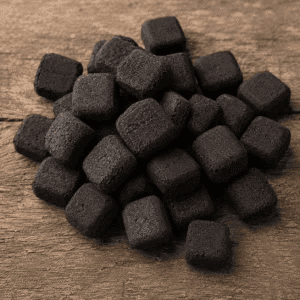
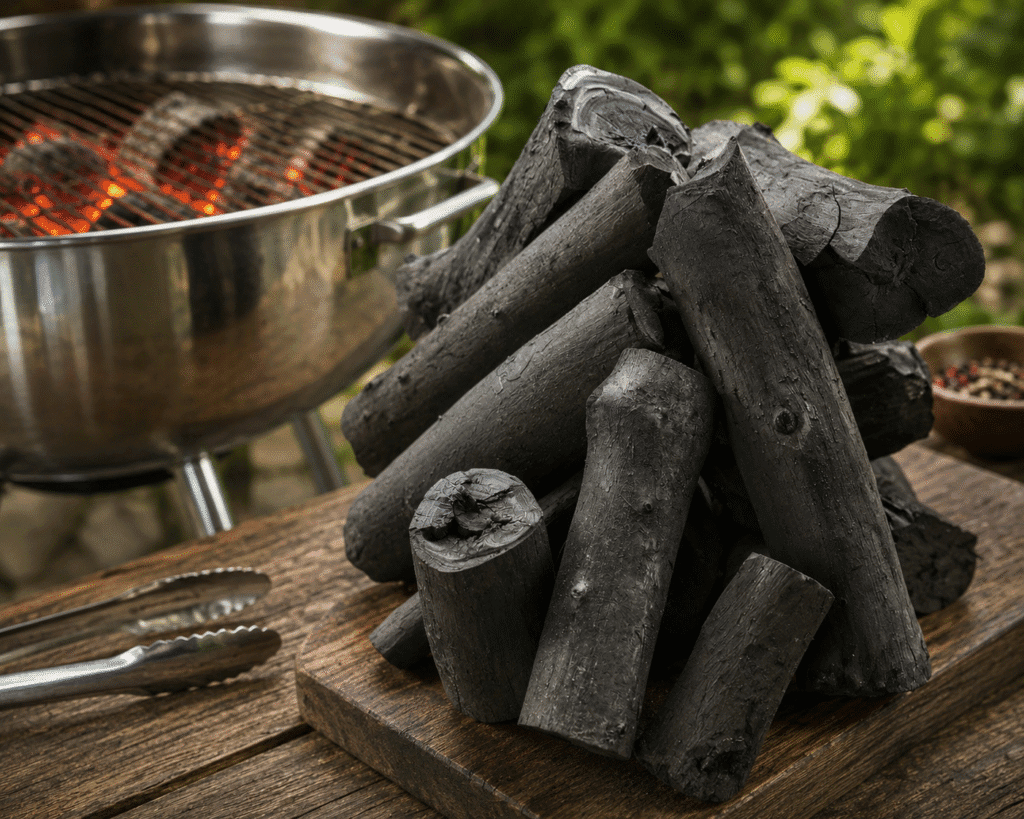
Coconut charcoal briquettes are made by carbonizing coconut shells and compressing the resulting charcoal with a binder. Wood charcoal is produced from timber or wood residues through controlled heating, creating a traditional fuel with different burning characteristics.
Coconut Charcoal Briquettes vs Wood Charcoal: Which Is Better? for Burn Time
For many shisha and hookah users, long and steady combustion is a major advantage. High-quality coconut briquettes can provide consistent heat because their compressed shape and density help them burn evenly.
Wood charcoal can also produce strong heat, but performance varies with wood species, piece size, moisture, and production method. This means buyers should evaluate product specifications rather than assuming every type of wood charcoal performs the same way.
- Heat consistency: Dense briquettes can maintain a more stable heating surface.
- Burn duration: Properly manufactured coconut briquettes are designed for extended use.
- Shape stability: Uniform cubes or other formats can make heat management easier.
Coconut Charcoal Briquettes vs Wood Charcoal: Which Is Better? for Ash and Smoke
Ash level matters because excessive ash can interfere with airflow and require more frequent cleaning. Premium coconut charcoal briquettes are often valued for low ash output when they are properly carbonized and manufactured.
Wood charcoal may generate more variable ash depending on the source material and production process. Smoke and odor can also differ, so buyers should consider whether the charcoal is intended for culinary applications, heating, or shisha.
For a cleaner experience, look for clear specifications covering ash content, moisture, fixed carbon, and volatile matter. These details help importers and distributors compare suppliers more objectively.
Coconut Charcoal Briquettes vs Wood Charcoal: Which Is Better? for Sustainability
One of the strongest arguments for coconut briquettes is their use of coconut shells, an agricultural by-product that might otherwise be discarded or underused. Turning shells into fuel can create additional value from an existing resource.
Wood charcoal depends on wood feedstock, so responsible sourcing and forest management are important considerations. Buyers interested in sustainability should ask suppliers about raw materials, processing practices, packaging, and supply-chain documentation.
Learn more about coconut-related materials and their uses through Wikipedia, a useful general reference. For product information and sourcing options, visit our website.
Coconut Charcoal Briquettes vs Wood Charcoal: Which Is Better? for Buyers
The best option depends on the application and the quality required. For shisha and hookah businesses, consistent size, low ash, neutral odor, steady heat, and reliable supply can make coconut briquettes particularly attractive.
Before placing a bulk order, compare these specifications:
- Raw material and carbonization method
- Fixed carbon and ash content
- Moisture level and ignition behavior
- Briquette size, shape, and density
- Packaging, carton weight, and pallet configuration
- Production capacity and export experience
Samples are also valuable. Testing several batches can reveal differences in ignition time, heat stability, ash behavior, odor, and overall performance that a product description cannot show.
Coconut Charcoal Briquettes vs Wood Charcoal: Which Is Better? Final Verdict
So, Coconut Charcoal Briquettes vs Wood Charcoal: Which Is Better? For applications that prioritize steady heat, low ash, uniform pieces, and the use of coconut shell by-products, coconut charcoal briquettes are often the more practical choice.
Wood charcoal remains useful where traditional fuel characteristics, local availability, or specific cooking requirements are more important. The smartest decision is to compare measurable specifications and test samples before committing to a supplier.
For businesses seeking dependable bulk fuel, choosing a manufacturer that can provide consistent quality, suitable packaging, and export-ready supply is essential. With the right specifications, coconut charcoal briquettes can offer a strong balance of performance, usability, and resource efficiency.
Direvisi oleh adminDG
Related Posts
7 Reasons Coconut Shell Charcoal Briquettes Power Shisha Lounges
-
Posted by
 amirrehman98@gmail.com
5 Reasons Coconut Charcoal Briquettes Are the Future of Clean Fuel
-
Posted by
amirrehman98@gmail.com
5 Critical Quality Metrics for Premium Charcoal Briquettes
-
Posted by
amirrehman98@gmail.com
5 Reasons Pure Coconut Shell Charcoal Outperforms Wood in Hookah
-
Posted by
amirrehman98@gmail.com
5 Top Reasons Coconut Charcoal Briquettes Rule Shisha Lounges
-
Posted by
amirrehman98@gmail.com
5 Reasons Coconut Shell Charcoal Briquettes Power Ultimate Hookah
-
Posted by
amirrehman98@gmail.com

7 Essential Tips for Choosing the Best Charcoal Briqquetes for Shisha and BBQ
-
Posted by
amirrehman98@gmail.com

5 Top Reasons Shisha Lounges Prefer Coconut Shell Charcoal Briquettes
-
Posted by
amirrehman98@gmail.com
How Charcoal Briquettes Are Made: 7 Premium Production Steps
-
Posted by
amirrehman98@gmail.com
7 Best Reasons Coconut Charcoal Briquettes Elevate Lounge Heat
-
Posted by
amirrehman98@gmail.com
Coconut Charcoal vs Wood Charcoal 100% Best Comparison
-
Posted by
amirrehman98@gmail.com
5 Reasons Coconut Shell Charcoal Briquettes Outperform Wood Fuel
-
Posted by
amirrehman98@gmail.com