
Blogs
Hardwood Charcoal vs Coconut Charcoal 2026: Which Is Better?


Table of Contents: hardwood charcoal coconut
- Hardwood Charcoal vs Coconut Charcoal Comparison
- Hardwood Charcoal: Pros and Cons
- Coconut Charcoal: Pros and Cons
- Which Charcoal Is Better for Different Uses?
- How to Choose the Right Charcoal
Hardwood Charcoal vs Coconut Charcoal: Which Is Better?
Choosing between Hardwood Charcoal and coconut charcoal depends on your application, preferred burning characteristics, and purchasing priorities. Both fuels can provide reliable heat, but their performance, ash production, burning behavior, and ideal uses can differ.
For restaurants, barbecue businesses, foodservice operations, and household grilling, understanding these differences makes it easier to select the most suitable charcoal. This guide compares the advantages and disadvantages of both options to help buyers make an informed decision.
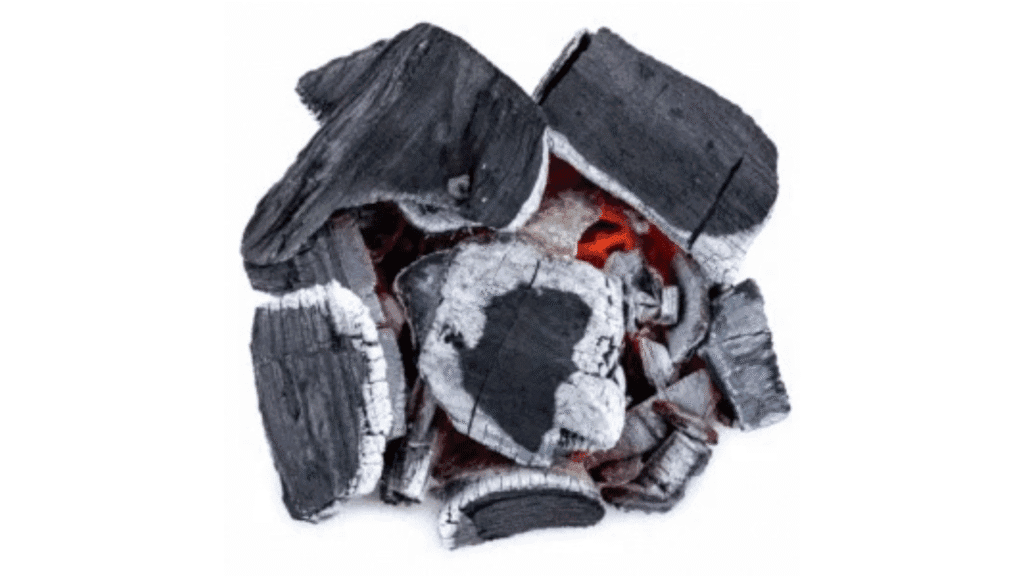
Hardwood Charcoal: Pros and Cons
Hardwood Charcoal is produced by carbonizing natural hardwood under controlled conditions. The type of wood and production process can influence its density, heat output, burn time, and overall consistency.
One major advantage of Hardwood Charcoal is its ability to produce strong heat, making it popular for grilling and cooking applications. Many users also appreciate the natural aroma that hardwood can contribute to grilled foods.
- Strong heat: Suitable for grilling and high-temperature cooking.
- Natural aroma: Can add distinctive smoky characteristics to food.
- Versatile applications: Suitable for restaurants, BBQ businesses, and household grilling.
- Wood-dependent quality: Performance can vary according to wood species and production standards.
However, hardwood charcoal may produce more ash than some coconut-based alternatives. Its burning time and consistency can also vary when the raw material, size, or manufacturing process is not properly controlled.
Coconut Charcoal: Pros and Cons
Coconut charcoal is commonly produced from coconut shells, turning an agricultural by-product into a useful fuel source. It is particularly popular for applications that require relatively consistent burning characteristics and controlled heat.
One benefit of coconut charcoal is its generally low ash content when it is manufactured to a suitable quality standard. This can make cleanup easier and may be attractive for commercial users who operate grills or charcoal-based cooking equipment frequently.
- Low ash potential: Quality coconut charcoal can leave relatively little ash.
- Consistent shapes: Processed coconut charcoal is often available in standardized sizes.
- Efficient use of shells: Production can utilize coconut shell waste as a raw material.
- Quality variation: Moisture, density, binder, and production methods can affect performance.
On the other hand, coconut charcoal may not provide exactly the same aroma or burning behavior as Hardwood Charcoal. Buyers should therefore consider the requirements of their cooking method rather than assuming one fuel is universally better.
Which Charcoal Is Better for Different Uses?
There is no single winner for every application. Hardwood Charcoal can be an excellent option when strong heat, natural wood characteristics, and traditional grilling performance are important.
Coconut charcoal may be preferable when low ash, standardized pieces, and controlled burning are key priorities. The right choice ultimately depends on the equipment, cooking style, desired flavor, and operating requirements.
- Traditional BBQ: Hardwood charcoal can provide strong heat and natural smoky notes.
- Commercial grilling: Either option can work when consistent quality is available.
- Low-ash applications: Coconut charcoal may be a practical choice.
- Natural wood flavor: Hardwood charcoal is often preferred for its characteristic aroma.
For businesses purchasing in bulk, factors such as moisture level, piece size, packaging, carbon content, and supplier consistency should also be evaluated. These specifications can have a significant impact on real-world performance and operating costs.
How to Choose the Right Charcoal
When comparing Hardwood Charcoal with coconut charcoal, start by identifying your primary application. Consider whether heat intensity, burn duration, flavor, ash level, or consistent sizing is the most important requirement.
It is also useful to request product specifications and samples before placing a large order. A reliable supplier should be able to provide clear information about raw materials, production processes, packaging, and available grades.
For additional background on charcoal and related terminology, readers can explore Wikipedia as a general reference source. For commercial sourcing and product information, visit CV BERKAH WIJIL.
Ultimately, Hardwood Charcoal and coconut charcoal both have valuable advantages. Rather than choosing based only on popularity or price, compare quality, intended use, burning characteristics, and supplier reliability to find the option that delivers the best value for your needs.
Direvisi oleh adminDG
Related Posts

7 Essential Tips for Choosing the Best Charcoal Briqquetes for Shisha and BBQ
-
Posted by
 amirrehman98@gmail.com
Coconut Charcoal vs Wood Charcoal 100% Best Comparison
-
Posted by
amirrehman98@gmail.com
5 Reasons Coconut Shell Charcoal Briquettes Outperform Wood Fuel
-
Posted by
amirrehman98@gmail.com
7 Tips Coconut Charcoal Briquettes untuk Shisha dan Hookah
-
Posted by
amirrehman98@gmail.com
7 Powerful Tips for Choosing Charcoal Cube Briquettes
-
Posted by
amirrehman98@gmail.com
7 Expert Tips for Choosing Charcoal for Commercial BBQ
-
Posted by
amirrehman98@gmail.com
Coconut Charcoal Briquettes: 7 Powerful Key Differences
-
Posted by
amirrehman98@gmail.com
Charcoal Premium 2026: Price Guide & Trusted Suppliers
-
Posted by
amirrehman98@gmail.com
7 Premium Hardwood Charcoal Briquettes Tips for Commercial BBQ
-
Posted by
amirrehman98@gmail.com
7 Powerful Charcoal Sticks Tips for Better Grilling
-
Posted by
amirrehman98@gmail.com
7 Proven Tips: How Hardwood Charcoal Is Made from Natural Wood
-
Posted by
amirrehman98@gmail.com
7 Premium Charcoal Cube Briquettes Tips for Hookah & Shisha
-
Posted by
amirrehman98@gmail.com