
Blogs
How Charcoal Briquettes Are Made: 7 Powerful Production Steps

Table of Contents
H2 1: Export Documentation and Quality Assurance for International Buyers
- Coconut Shells as Raw Material
- Carbonization Process
- Grinding and Sieving
- Mixing and Binding
- Pressing Charcoal Briquettes
- Drying and Quality Control
- Why Coconut Shell Charcoal Briquettes Matter
Charcoal Briquettes: How Coconut Shells Become Quality Fuel: charcoal briquettes made
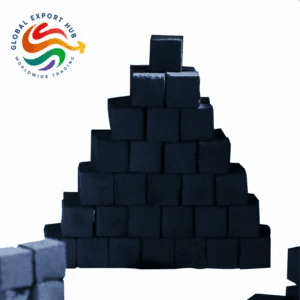
Charcoal Briquettes are commonly produced from processed biomass, and coconut shells are one of the most useful raw materials for this purpose. Through controlled processing, discarded coconut shells can be transformed into a practical solid fuel for grilling, restaurants, and shisha applications.
H2 3: Sourcing Direct From Verified Indonesian Producers
The production process involves several important stages, including carbonization, crushing, mixing, molding, and drying. Each stage affects the final briquette’s density, moisture level, burning performance, and overall quality.
1. Selecting and Preparing Coconut Shells
The process starts with clean, mature coconut shells collected from coconut processing activities. Shells should be free from excessive dirt and unwanted materials because raw material quality can influence the consistency of the finished fuel.
After collection, the shells are cleaned and prepared for carbonization. Proper preparation helps create a more uniform carbon material during the next production stage.
2. Carbonization Turns Shells into Charcoal
Carbonization is a key stage in producing Charcoal Briquettes. Coconut shells are heated under controlled conditions with limited oxygen, removing volatile compounds while leaving behind carbon-rich charcoal.
Temperature control and carbonization time are important because incomplete carbonization may affect combustion, while excessive processing can reduce material efficiency. Producers therefore monitor the process carefully to achieve suitable charcoal characteristics.
3. Grinding and Sieving the Charcoal
Once carbonized, the coconut shell charcoal is crushed into smaller particles. Grinding creates a more consistent material that can be mixed and compressed effectively.
The charcoal powder is then sieved to remove oversized particles and unwanted debris. Consistent particle size helps improve the structure and density of the finished briquettes.
4. Mixing Charcoal Powder with a Binder
The prepared charcoal powder is mixed with water and a suitable natural binder. The binder helps the particles hold together during pressing and gives the product sufficient mechanical strength.
- Charcoal powder provides the main fuel material.
- Binder supports briquette structure.
- Water helps create a workable mixture.
- Consistent mixing improves product uniformity.
The proportions need to be controlled carefully. Too much moisture or binder can influence drying time and combustion characteristics, while insufficient binder may result in fragile products.
5. Pressing Charcoal Briquettes into Shape
After mixing, the material is transferred into a briquette press or molding machine. Pressure compresses the mixture into specific shapes and sizes, depending on the intended application.
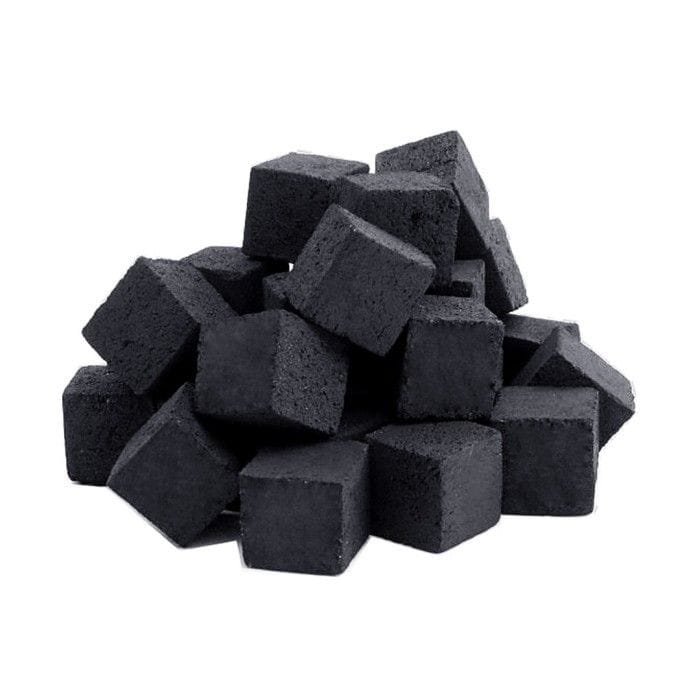
Proper compression creates dense Charcoal Briquettes that are easier to handle, package, transport, and store. Commercial producers may use different molds for cube, pillow, hexagonal, or other briquette designs.
6. Drying and Moisture Reduction
Freshly pressed briquettes contain moisture and therefore require thorough drying before packaging. Drying may be performed naturally or with controlled industrial drying equipment.
The objective is to reduce excess moisture while maintaining the briquette’s structural integrity. Well-dried products generally provide more predictable storage and combustion performance.
7. Quality Control and Final Packaging
Before shipment, producers inspect Charcoal Briquettes for factors such as shape, density, moisture, durability, ash characteristics, and burning behavior. Quality control helps ensure that batches meet the requirements of distributors, restaurants, retailers, and other buyers.
Important specifications may include:
- Consistent size and shape
- Suitable moisture content
- Good mechanical strength
- Consistent burning performance
- Appropriate packaging for transportation
Coconut shell charcoal can also support a more circular approach to resource use because shells that might otherwise become waste are converted into a useful fuel product. For general background on charcoal and carbon materials, readers can explore this trusted reference.
For businesses interested in sourcing coconut shell-based fuel, visit our website to learn more about available charcoal products and supplier information from CV BERKAH WIJIL.
Understanding how Charcoal Briquettes are made makes it easier for buyers to evaluate production quality. From carefully selected coconut shells to controlled carbonization, consistent pressing, and proper drying, every stage contributes to the characteristics of the final product.
Direvisi oleh adminDG
Related Posts
7 Reasons Coconut Shell Charcoal Briquettes Power Shisha Lounges
-
Posted by
 amirrehman98@gmail.com
5 Critical Quality Metrics for Premium Charcoal Briquettes
-
Posted by
amirrehman98@gmail.com
5 Reasons Pure Coconut Shell Charcoal Outperforms Wood in Hookah
-
Posted by
amirrehman98@gmail.com
5 Top Reasons Coconut Charcoal Briquettes Rule Shisha Lounges
-
Posted by
amirrehman98@gmail.com

7 Essential Tips for Choosing the Best Charcoal Briqquetes for Shisha and BBQ
-
Posted by
amirrehman98@gmail.com

5 Top Reasons Shisha Lounges Prefer Coconut Shell Charcoal Briquettes
-
Posted by
amirrehman98@gmail.com
How Charcoal Briquettes Are Made: 7 Premium Production Steps
-
Posted by
amirrehman98@gmail.com
Coconut Charcoal vs Wood Charcoal 100% Best Comparison
-
Posted by
amirrehman98@gmail.com
5 Reasons Coconut Shell Charcoal Briquettes Outperform Wood Fuel
-
Posted by
amirrehman98@gmail.com

5 Key Reasons Coconut Charcoal Briquettes Beat Wood Charcoal
-
Posted by
amirrehman98@gmail.com
7 Tips Coconut Charcoal Briquettes untuk Shisha dan Hookah
-
Posted by
amirrehman98@gmail.com

Hardwood Charcoal vs Coconut Charcoal 2026: Which Is Better?
-
Posted by
amirrehman98@gmail.com