
Blogs
Charcoal: 7 Proven Ways Quality Boosts Grilling Flavor

Table of Contents: charcoal proven ways
- How Charcoal Quality Matters
- Charcoal and Grilling Temperature
- Charcoal and Food Flavor
- 7 Tips for Choosing Quality Charcoal
- Storage and Grilling Tips
- Final Thoughts
Charcoal Quality: 7 Proven Ways It Boosts Grilling Flavor
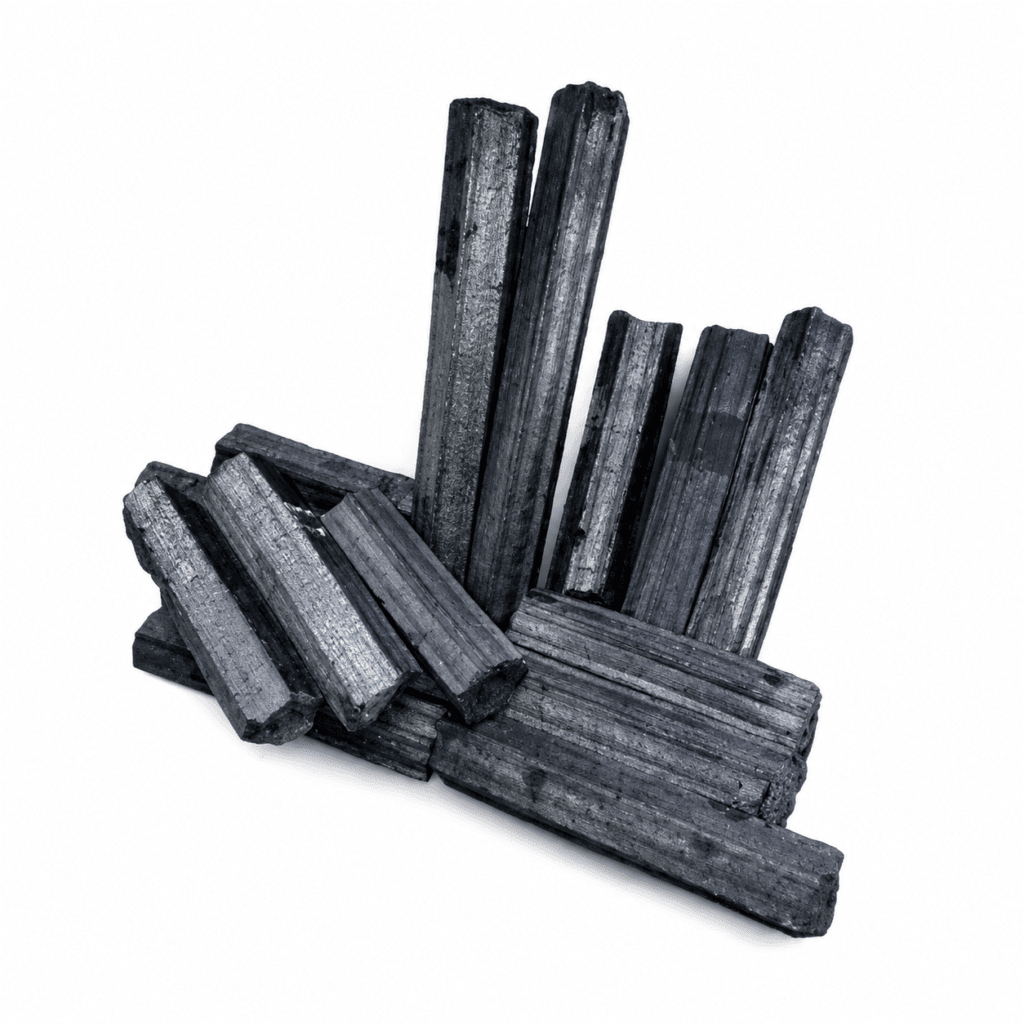
Charcoal quality plays an important role in grilling temperature, cooking consistency, burn time, and food flavor. Choosing suitable Charcoal can make it easier to maintain steady heat while reducing unwanted smoke and ash.
Different types of Charcoal can behave differently depending on their raw material, moisture level, size, and production process. Understanding these differences helps home cooks, restaurants, and professional grillers achieve more predictable results.
How Charcoal Controls Grilling Temperature
Temperature control begins with how efficiently Charcoal burns. Dense pieces generally burn longer and can provide a more stable heat source, while inconsistent pieces may create uneven hot and cool zones.
Good airflow is also essential. When Charcoal receives sufficient oxygen, combustion becomes more consistent, allowing grillers to adjust heat through vents, spacing, and the amount of fuel used.
- Dense fuel can support longer burning periods.
- Consistent sizes can help create more even heat.
- Low moisture supports easier ignition and combustion.
- Controlled airflow helps regulate cooking temperature.
Why Charcoal Can Affect Food Flavor
Charcoal contributes to the grilling environment through heat, smoke, and combustion. Clean-burning fuel can help food develop desirable grilled aromas without excessive smoke overpowering the natural taste of meat, vegetables, or seafood.
Charcoal made from suitable hardwood or other appropriate biomass can offer different combustion characteristics. The final flavor, however, also depends on the food, seasoning, cooking method, grill design, and airflow.
For general background on charcoal and its production, readers can explore this trusted reference on charcoal.
7 Tips for Choosing Quality Charcoal
Selecting the right Charcoal starts with examining its physical characteristics and intended application. These seven practical considerations can help improve grilling consistency.
- Check piece consistency: Similar-sized pieces can make heat distribution easier to manage.
- Look for low moisture: Dry fuel generally ignites more easily and burns more efficiently.
- Consider density: Denser pieces may provide longer-lasting heat for extended cooking.
- Inspect ash production: Excessive ash can restrict airflow and make temperature management harder.
- Consider the cooking style: Choose fuel characteristics that match quick grilling, roasting, or longer cooking sessions.
- Assess smoke characteristics: Clean-burning fuel can help prevent excessive smoke from dominating food flavor.
- Buy from a reliable supplier: Consistent sourcing and specifications can make results more predictable.
Storage and Grilling Tips for Better Results
Even high-quality Charcoal can perform poorly when exposed to moisture. Store it in a dry, covered area and keep the packaging protected from rain, humidity, and direct ground contact.
During grilling, arrange the fuel according to the cooking method. A two-zone setup, for example, creates a direct-heat area for searing and an indirect area for slower cooking.
Avoid adding excessive fuel simply to increase temperature. Instead, adjust airflow and fuel placement gradually so the grill can reach the desired heat without unnecessary smoke or wasted fuel.
For commercial buyers and businesses seeking charcoal products, visit our website to learn more about available Charcoal solutions from CV BERKAH WIJIL.
Final Thoughts on Charcoal Quality
Charcoal quality can influence how easily a grill reaches temperature, how long heat remains available, and how much smoke is produced during cooking. These factors can directly affect cooking consistency and the overall grilling experience.
By considering density, moisture, size consistency, ash production, and intended cooking style, buyers can make more informed fuel choices. Proper storage and airflow management then help maximize the performance of the Charcoal selected.
Direvisi oleh adminDG
Related Posts

Hardwood Charcoal vs Coconut Charcoal 2026: Which Is Better?
-
Posted by
 amirrehman98@gmail.com
7 Expert Tips for Choosing Charcoal for Commercial BBQ
-
Posted by
amirrehman98@gmail.com
Coconut Charcoal Briquettes: 7 Powerful Key Differences
-
Posted by
amirrehman98@gmail.com
Charcoal Premium 2026: Price Guide & Trusted Suppliers
-
Posted by
amirrehman98@gmail.com
7 Premium Hardwood Charcoal Briquettes Tips for Commercial BBQ
-
Posted by
amirrehman98@gmail.com
7 Powerful Charcoal Sticks Tips for Better Grilling
-
Posted by
amirrehman98@gmail.com
7 Proven Tips: How Hardwood Charcoal Is Made from Natural Wood
-
Posted by
amirrehman98@gmail.com
Hardwood Lump Charcoal: 7 Powerful Facts vs Briquettes
-
Posted by
amirrehman98@gmail.com
7 Powerful Tips for Choosing the Best Charcoal for BBQ
-
Posted by
amirrehman98@gmail.com
Charcoal for BBQ: 7 Best Tips to Choose the Right Type
-
Posted by
amirrehman98@gmail.com
5 Smart Tips for Choosing Premium Charcoal Cube Briquettes
-
Posted by
amirrehman98@gmail.com
7 Smart Ways to Identify Premium Charcoal Briquettes Before Buying
-
Posted by
amirrehman98@gmail.com