
Blogs
Charcoal: 7 Powerful Benefits for Modern Businesses

Table of Contents
H2 1: Regulatory Standards and Compliance for Charcoal Import
Charcoal: Types, Uses, and Benefits for Modern Businesses: charcoal powerful businesses
Charcoal is a versatile carbon-based fuel used by restaurants, food producers, hospitality businesses, retailers, and industrial operators. Understanding its types, applications, and benefits helps businesses choose a product that matches performance, cost, and operational needs.
H2 3: Sustainable Procurement: Environmental Impact and Certifications
Different charcoal products are made for different purposes. Lump charcoal is commonly produced by heating wood with limited oxygen, while briquettes are formed from processed charcoal particles and binders. Coconut shell charcoal is another option, valued in several commercial applications because it can provide consistent heat and efficient burning.
Types of Charcoal for Business Applications
Businesses should compare the product based on raw material, shape, burn characteristics, ash production, and intended use. Common categories include:
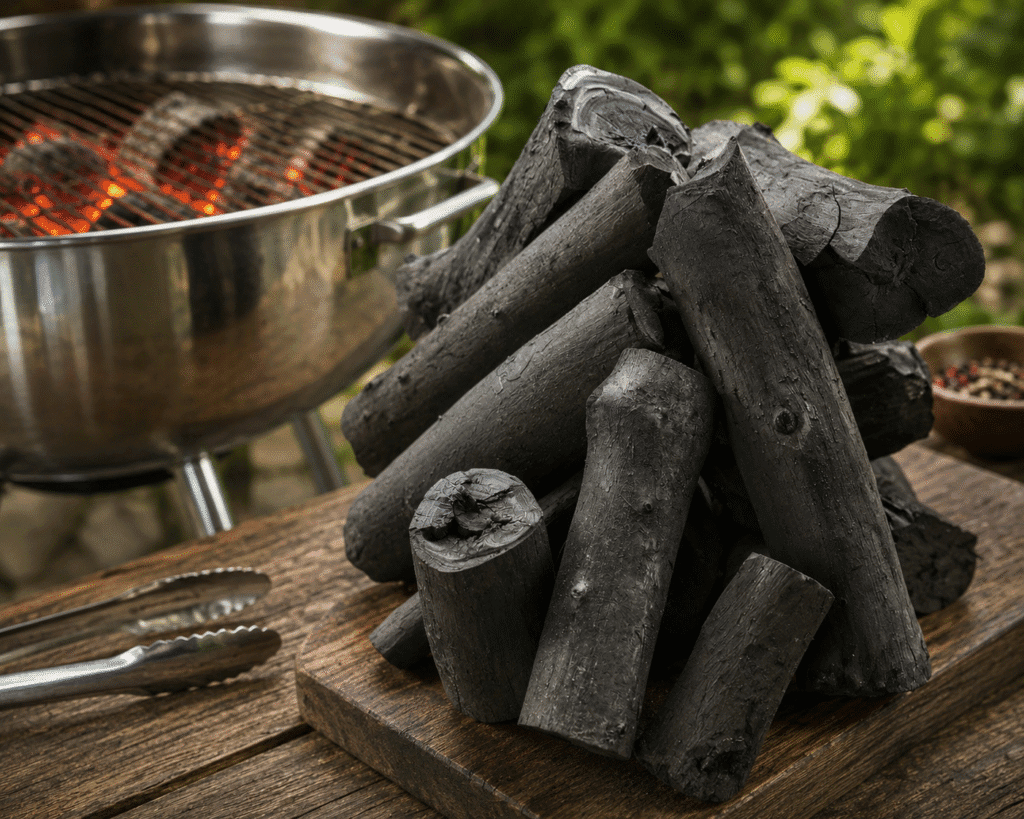
- Lump charcoal: Natural wood pieces that can ignite quickly and provide high heat for grilling.
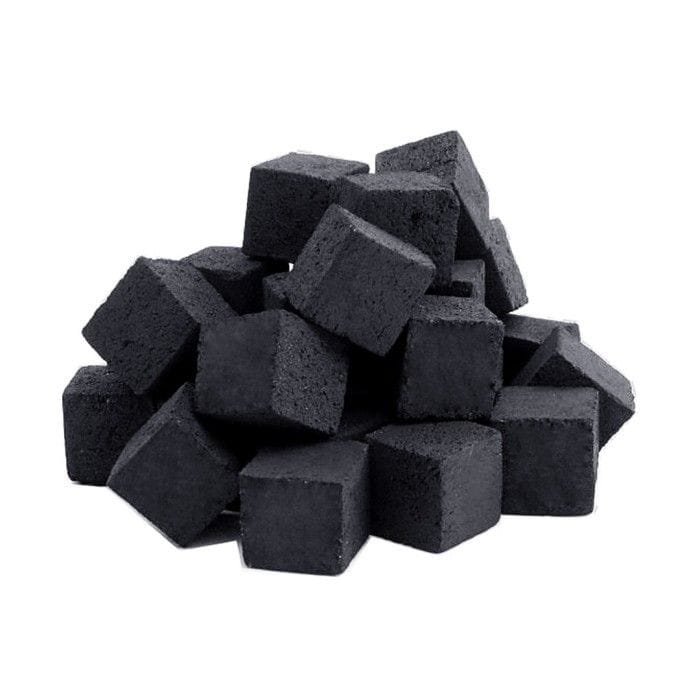
- Charcoal briquettes: Uniform pieces designed for predictable burning and convenient handling.
- Coconut shell charcoal: A popular material for selected commercial and specialty applications.
- Industrial charcoal: Products selected according to specific production, heating, or processing requirements.
Choosing the right type depends on equipment, required temperature, burn duration, storage conditions, and purchasing volume. A restaurant may prioritize fast ignition and flavor, while a manufacturer may focus more on consistency and supply reliability.
Charcoal Uses in Modern Businesses
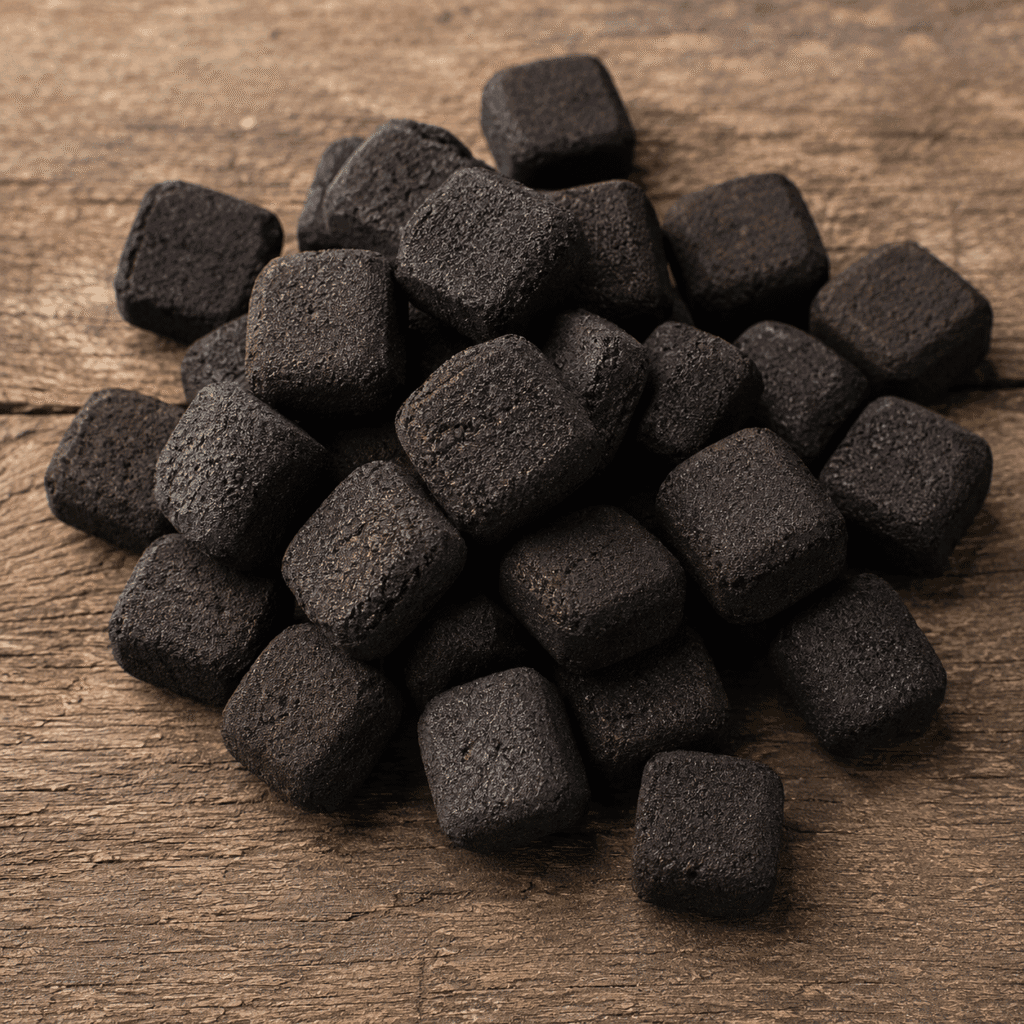
One of the most familiar uses of Charcoal is commercial grilling. Restaurants, catering companies, hotels, and food vendors often need a reliable heat source that can support steady cooking throughout service.
Charcoal can also serve businesses involved in specialty fuel distribution and selected industrial processes. Its practical value comes from its ability to generate heat while being available in different sizes, grades, and formats.
For businesses buying in bulk, product specifications matter. Consider moisture level, ash content, fixed carbon, particle size, packaging, and consistency before placing a large order.
Key Benefits of Charcoal for Businesses
Charcoal can provide several operational advantages when the product is matched to the right application:
- Consistent heat: Suitable grades can support stable cooking and heating performance.
- Flexible formats: Lump and briquette options make it easier to match different equipment.
- Convenient storage: Properly packaged products can be stored and transported efficiently.
- Commercial scalability: Bulk purchasing can help businesses plan regular supply requirements.
- Application versatility: Charcoal can support food service, distribution, and selected industrial needs.
For a business, the best benefit is not simply a low purchase price. Quality consistency, dependable delivery, packaging, and technical specifications can have a greater impact on long-term operating costs.
How to Select Charcoal for Your Business
Start by identifying the exact application and equipment. Then compare heat output, burn time, ash level, moisture, size, packaging, and minimum order requirements.
Supplier reliability is equally important for commercial buyers. A dependable supplier should communicate product specifications clearly and maintain consistent quality across repeat orders.
Businesses can also review general background information about charcoal through this trusted reference. For product and sourcing information, visit CV BERKAH WIJIL.
Storage and Handling Tips
Store Charcoal in a dry, covered, and well-ventilated area away from moisture. Keep bags protected from water and avoid placing them directly on damp floors.
Good inventory management can also prevent quality problems. Use suitable packaging, rotate older stock first, and inspect deliveries for moisture or damaged bags.
Why Charcoal Quality Matters
Quality affects how efficiently a business can use its fuel. A suitable Charcoal product can deliver more predictable performance, while inconsistent material may create excessive ash, uneven heat, or handling problems.
Before choosing a supplier, request specifications and samples when appropriate. Comparing products on performance rather than price alone can help businesses make a more practical purchasing decision.
For modern businesses, Charcoal remains a useful commercial fuel because it is available in multiple forms and can serve diverse applications. By understanding the differences between products and evaluating quality, businesses can select an option that supports reliable operations and customer expectations. This approach also supports better budgeting, purchasing decisions, and smoother day-to-day operations when fuel requirements change.
Direvisi oleh adminDG
Related Posts
7 Reasons Coconut Shell Charcoal Briquettes Power Shisha Lounges
-
Posted by
 amirrehman98@gmail.com
5 Critical Quality Metrics for Premium Charcoal Briquettes
-
Posted by
amirrehman98@gmail.com
5 Reasons Pure Coconut Shell Charcoal Outperforms Wood in Hookah
-
Posted by
amirrehman98@gmail.com

7 Essential Tips for Choosing the Best Charcoal Briqquetes for Shisha and BBQ
-
Posted by
amirrehman98@gmail.com
How Charcoal Briquettes Are Made: 7 Premium Production Steps
-
Posted by
amirrehman98@gmail.com
5 Reasons Coconut Shell Charcoal Briquettes Outperform Wood Fuel
-
Posted by
amirrehman98@gmail.com

5 Key Reasons Coconut Charcoal Briquettes Beat Wood Charcoal
-
Posted by
amirrehman98@gmail.com
7 Tips Coconut Charcoal Briquettes untuk Shisha dan Hookah
-
Posted by
amirrehman98@gmail.com
7 Powerful Tips for Choosing Charcoal Cube Briquettes
-
Posted by
amirrehman98@gmail.com
7 Expert Tips for Choosing Charcoal for Commercial BBQ
-
Posted by
amirrehman98@gmail.com
Coconut Charcoal Briquettes: 7 Powerful Key Differences
-
Posted by
amirrehman98@gmail.com
Charcoal Premium 2026: Price Guide & Trusted Suppliers
-
Posted by
amirrehman98@gmail.com