
Blogs
7 Expert Tips for Choosing Coconut Shell Charcoal Briquettes

How to Choose High-Quality Coconut Shell Charcoal Briquettes: choosing coconut shell charcoal briquettes
Table of Contents
Why Standard Charcoal Quality Metrics Fail International Buyers
- What Defines High-Quality Briquettes?
- Check the Raw Material
- Evaluate Ash Content
- Check Moisture and Density
- Assess Heat and Burning Performance
- Inspect Shape and Packaging
- Choose a Reliable Supplier
Choosing Coconut Shell Charcoal Briquettes requires more than comparing appearance or purchase prices. For hookah businesses, restaurants, distributors, and international buyers, consistent quality can directly affect performance, customer satisfaction, and operating costs.
Navigating Supplier Reliability Beyond Sample Quality
High-quality briquettes should provide stable heat, predictable burning characteristics, low ash, and suitable moisture levels. Understanding these factors makes it easier to select a dependable product for regular use or bulk purchasing.
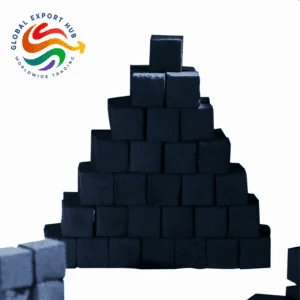
What Defines High-Quality Coconut Shell Charcoal Briquettes?
Good Coconut Shell Charcoal Briquettes are generally made from properly processed coconut shell charcoal and formed under controlled production conditions. The raw material, carbonization process, binder, compression, and drying process can all influence the final product.
Before ordering, buyers should evaluate several specifications instead of relying on one quality indicator. Important points include ash content, moisture, fixed carbon, density, burning time, heat output, odor, and physical durability.
- Consistent size and shape
- Low and controlled ash content
- Low moisture level
- Stable heat production
- Good density and durability
- Minimal unwanted odor during burning
Check the Raw Material
The quality of Coconut Shell Charcoal Briquettes begins with the coconut shells used during production. Mature coconut shells are commonly preferred because they can produce charcoal with useful carbon characteristics when properly carbonized.
Ask suppliers about their raw-material sourcing and production process. A transparent supplier should be able to explain how shells are carbonized, processed, ground, mixed, compressed, and dried before shipment.
Evaluate Ash Content
Ash content is an important consideration when selecting Coconut Shell Charcoal Briquettes, particularly for hookah and food-service applications. Excessive ash can create more residue, require more frequent cleaning, and potentially reduce the convenience of use.
Request laboratory specifications or a product specification sheet when buying commercially. Comparing ash levels between suppliers can help you identify products that better match your application and market requirements.
Check Moisture and Density
Moisture can influence ignition, burning stability, and storage performance. Quality Coconut Shell Charcoal Briquettes should be properly dried before packaging so they remain stable during transportation and storage.
Density is also important because well-compressed briquettes generally have a more consistent structure. When inspecting samples, look for pieces that feel solid and resist crumbling during normal handling.
Assess Heat and Burning Performance
One of the most practical ways to evaluate Coconut Shell Charcoal Briquettes is to test how they perform during actual use. Observe ignition time, heat consistency, burning duration, smoke, odor, and the amount of residue left afterward.
For commercial buyers, sample testing is especially valuable before committing to a large order. Testing multiple batches can also reveal whether the supplier maintains consistent production quality over time.
Inspect Shape and Packaging
Uniformly shaped Coconut Shell Charcoal Briquettes are easier to pack, transport, handle, and distribute. Consistent dimensions can also help users achieve more predictable heat management during applications such as hookah and grilling.
Packaging deserves equal attention. Properly sealed packaging can help protect briquettes from humidity and physical damage during storage and international transportation.
- Check for cracks and excessive dust.
- Confirm consistent dimensions.
- Inspect packaging strength and sealing.
- Ask about palletizing and export packaging.
- Verify product specifications before bulk ordering.
Choose a Reliable Supplier
A dependable supplier should provide clear specifications, consistent samples, responsive communication, and suitable export support. For buyers seeking Coconut Shell Charcoal Briquettes in bulk, supplier reliability can be just as important as the product itself.
Before placing an order, request samples and discuss minimum order quantities, packaging options, production capacity, lead times, and shipping arrangements. You can also learn more about charcoal production and related terminology through Wikipedia as a general reference.
For sourcing information and business inquiries, visit CV BERKAH WIJIL to explore available charcoal products and supplier information.
Final Checklist Before Buying
Selecting the right Coconut Shell Charcoal Briquettes is easier when you use a structured checklist. Do not judge quality based solely on color or price; evaluate measurable specifications and real-world burning performance.
- Confirm the coconut-shell raw material.
- Review ash and moisture specifications.
- Check density and fixed-carbon information.
- Test heat output and burning duration.
- Inspect size, shape, and durability.
- Review packaging and shipping protection.
- Request samples before bulk purchasing.
- Work with a supplier capable of maintaining consistent quality.
With these checks, buyers can make more informed purchasing decisions and reduce the risk of inconsistent shipments. For long-term B2B sourcing, consistent quality, transparent specifications, and reliable communication should remain key priorities.
Direvisi oleh adminDG
Related Posts
7 Reasons Coconut Shell Charcoal Briquettes Power Shisha Lounges
-
Posted by
 amirrehman98@gmail.com
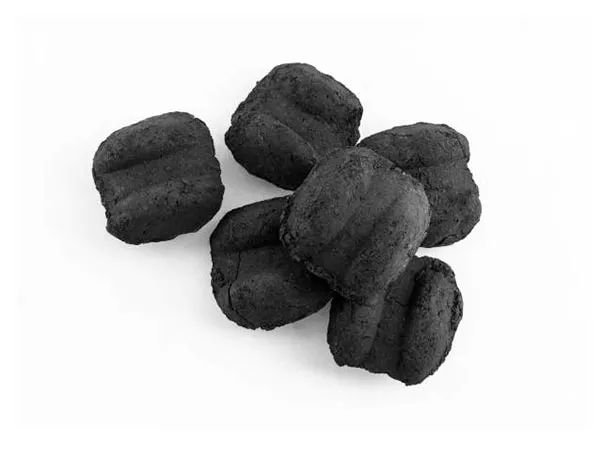
5 Critical Quality Metrics for Premium Charcoal Briquettes
-
Posted by
amirrehman98@gmail.com
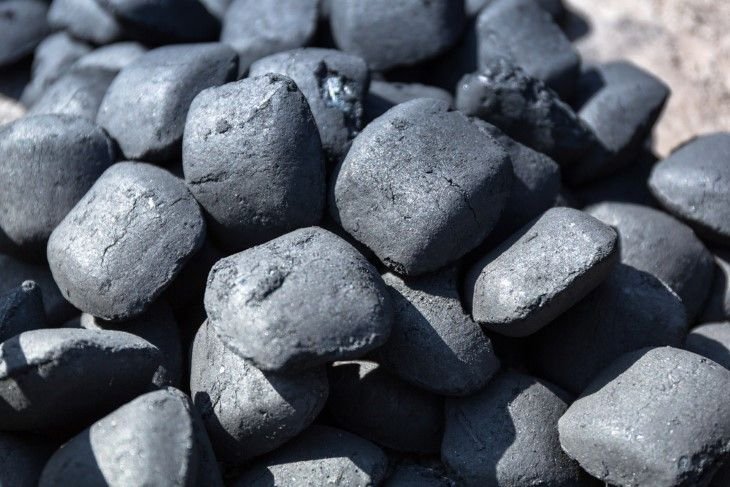
5 Reasons Pure Coconut Shell Charcoal Outperforms Wood in Hookah
-
Posted by
amirrehman98@gmail.com
5 Reasons Coconut Shell Charcoal Briquettes Power Ultimate Hookah
-
Posted by
amirrehman98@gmail.com

7 Essential Tips for Choosing the Best Charcoal Briqquetes for Shisha and BBQ
-
Posted by
amirrehman98@gmail.com

5 Top Reasons Shisha Lounges Prefer Coconut Shell Charcoal Briquettes
-
Posted by
amirrehman98@gmail.com
How Charcoal Briquettes Are Made: 7 Premium Production Steps
-
Posted by
amirrehman98@gmail.com
Coconut Charcoal vs Wood Charcoal 100% Best Comparison
-
Posted by
amirrehman98@gmail.com
5 Reasons Coconut Shell Charcoal Briquettes Outperform Wood Fuel
-
Posted by
amirrehman98@gmail.com
7 Tips Coconut Charcoal Briquettes untuk Shisha dan Hookah
-
Posted by
amirrehman98@gmail.com

Hardwood Charcoal vs Coconut Charcoal 2026: Which Is Better?
-
Posted by
amirrehman98@gmail.com
7 Powerful Tips for Choosing Charcoal Cube Briquettes
-
Posted by
amirrehman98@gmail.com