
Blogs
7 Powerful Charcoal Benefits: Hardwood Uses and Buying Guide

Charcoal: What Is Hardwood Charcoal? Benefits, Uses, and Buying Guide: powerful charcoal hardwood
Table of Contents
H2: Key Quality Standards and Laboratory Testing Documents for Hardwood Charcoal
Charcoal is one of the most popular natural fuels for grilling, cooking, and industrial applications. Hardwood charcoal is especially valued for its high heat output, long burning time, and clean combustion. Whether you are a professional distributor, restaurant owner, or barbecue enthusiast, understanding how charcoal works helps you choose the right product for your needs.
H2: Sourcing Premium Natural Biomass Products from Trusted Indonesian Producers
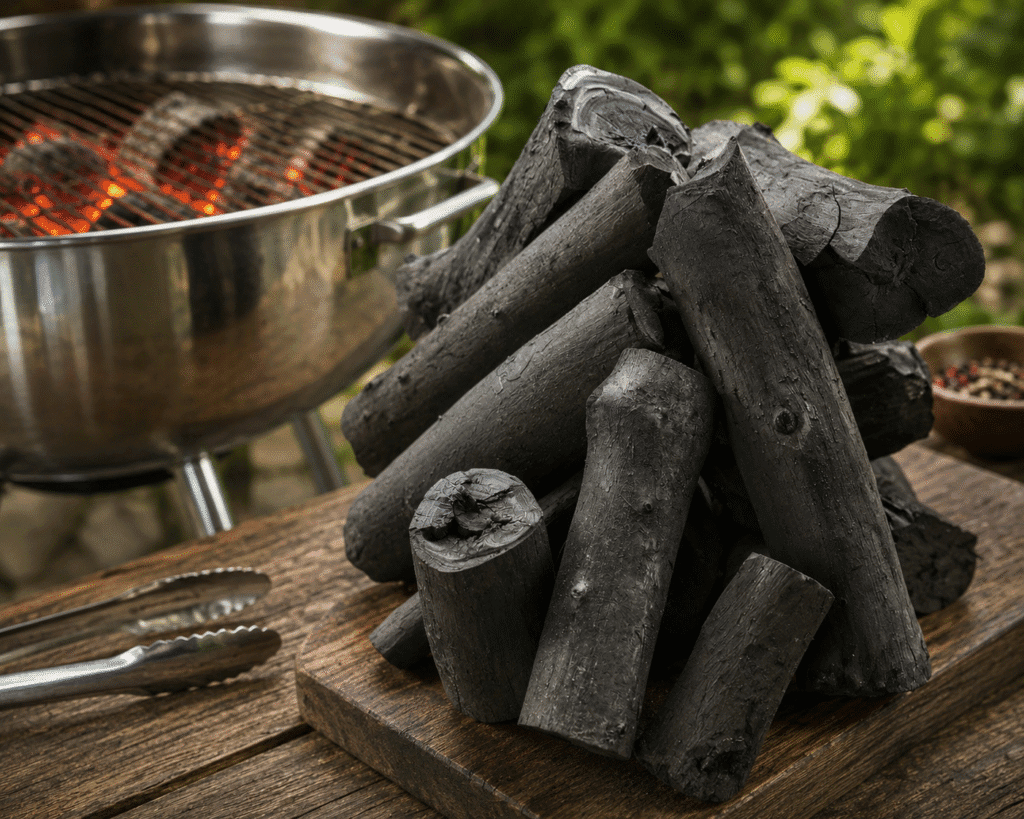
What Is Hardwood Charcoal?
Hardwood charcoal is produced by heating hardwood in a low-oxygen environment through a process called carbonization. This removes moisture and volatile compounds while preserving the carbon-rich structure of the wood.
Compared with ordinary firewood, charcoal burns hotter, produces less smoke, and leaves minimal ash. These characteristics make it an excellent fuel for both domestic and commercial applications.
Premium charcoal is commonly manufactured from sustainably sourced hardwood species. The result is a dense product with excellent burning performance and consistent quality.
Top Benefits of Charcoal
- Produces high and consistent heat.
- Burns longer than untreated firewood.
- Generates minimal smoke during use.
- Creates less ash for easier cleaning.
- Suitable for grilling, restaurants, and industrial processes.
- Easy to transport and store.
Another important benefit of charcoal is its ability to maintain stable temperatures. This makes cooking more predictable and helps achieve excellent grilling results.
Many exporters and commercial buyers also prefer charcoal because it offers reliable performance across different climates and cooking environments.
Common Uses of Charcoal
Charcoal is widely used across residential, commercial, and industrial sectors. Its versatility continues to make it one of the world’s preferred solid fuels.
- Outdoor barbecue and grilling.
- Restaurants and steakhouses.
- Hotels and catering businesses.
- Industrial heating applications.
- Metal processing in selected industries.
- Traditional cooking.
Restaurants often choose premium charcoal because it provides consistent heat while enhancing cooking efficiency. The long burning duration reduces the need for frequent refueling.
For international buyers, charcoal also offers excellent export potential due to its durability and stable storage characteristics.
Charcoal Buying Guide
Selecting the right charcoal requires evaluating several quality indicators before making a purchase.
- Choose dense hardwood charcoal with minimal cracks.
- Look for low moisture content.
- Check for low ash production.
- Ensure consistent piece size.
- Confirm sustainable production practices.
- Purchase from experienced exporters with quality control.
Quality charcoal should ignite efficiently while maintaining a long-lasting burn. Products with excessive moisture often create more smoke and lower heating performance.
Reliable suppliers usually provide product specifications, packaging options, moisture levels, fixed carbon values, and export certifications. These details help buyers compare products objectively.
To learn more about charcoal production, visit Wikipedia. For premium Indonesian charcoal products, visit CV BERKAH WIJIL.
Conclusion
Charcoal remains one of the most efficient natural fuels available today. Its high heat output, long burning time, low ash production, and versatility make it ideal for households, restaurants, and industrial users.
By understanding product quality, raw materials, and supplier reliability, buyers can confidently select premium charcoal that delivers excellent performance and long-term value.
Direvisi oleh adminDG
Related Posts

7 Essential Tips for Choosing the Best Charcoal Briqquetes for Shisha and BBQ
-
Posted by
 amirrehman98@gmail.com
5 Reasons Coconut Shell Charcoal Briquettes Outperform Wood Fuel
-
Posted by
amirrehman98@gmail.com
7 Tips Coconut Charcoal Briquettes untuk Shisha dan Hookah
-
Posted by
amirrehman98@gmail.com

Hardwood Charcoal vs Coconut Charcoal 2026: Which Is Better?
-
Posted by
amirrehman98@gmail.com
7 Powerful Tips for Choosing Charcoal Cube Briquettes
-
Posted by
amirrehman98@gmail.com
7 Expert Tips for Choosing Charcoal for Commercial BBQ
-
Posted by
amirrehman98@gmail.com
Coconut Charcoal Briquettes: 7 Powerful Key Differences
-
Posted by
amirrehman98@gmail.com
Charcoal Premium 2026: Price Guide & Trusted Suppliers
-
Posted by
amirrehman98@gmail.com
7 Premium Hardwood Charcoal Briquettes Tips for Commercial BBQ
-
Posted by
amirrehman98@gmail.com
7 Powerful Charcoal Sticks Tips for Better Grilling
-
Posted by
amirrehman98@gmail.com
7 Proven Tips: How Hardwood Charcoal Is Made from Natural Wood
-
Posted by
amirrehman98@gmail.com
7 Premium Charcoal Cube Briquettes Tips for Hookah & Shisha
-
Posted by
amirrehman98@gmail.com