
Blogs
10 Premium Tips for Choosing Charcoal Briquettes for Export

Table of Contents
H2: Why Technical Specs Matter More Than Price in Export: choosing charcoal briquettes
- 1. Check the Raw Materials
- 2. Evaluate Carbon Content
- 3. Check Ash Content
- 4. Examine Moisture Levels
- 5. Assess Heat and Burning Performance
- 6. Inspect Shape and Density
- 7. Check Odor and Smoke
- 8. Test Durability
- 9. Review Export Packaging
- 10. Choose a Reliable Supplier
Charcoal Briquettes are widely used for cooking, hospitality, food service, and other applications where stable heat and consistent burning performance are important. For export buyers, selecting the right product requires more than simply comparing price and appearance.
H2: Critical Checks: Ash Content, Moisture, and Heat Stability
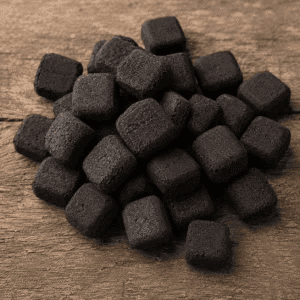
Quality should be evaluated through raw materials, carbon content, ash level, moisture, density, durability, packaging, and production consistency. These factors can directly affect customer satisfaction, shipping performance, and repeat orders.
1. Check the Raw Materials
The first step when selecting Charcoal Briquettes is understanding the raw materials used during production. Coconut shell charcoal and selected hardwood charcoal are common materials, with each option offering different characteristics.
Ask the supplier about the source, processing method, and consistency of the raw material. Reliable documentation can help buyers assess whether the product matches their intended market and application.
2. Evaluate Carbon Content
Carbon content is an important indicator of charcoal quality because it can influence burning efficiency and heat performance. Higher-quality Charcoal Briquettes should have specifications that are consistent from batch to batch.
For commercial export orders, request laboratory or product specifications when available. Comparing technical data between suppliers makes purchasing decisions more objective.
3. Check Ash Content
Ash is the residue left after charcoal burns. Excessive ash can reduce usable fuel and create additional cleaning requirements, particularly for restaurants and professional food-service operations.
Before ordering, ask for the supplier’s stated ash specification and testing method. Consistent ash levels are especially important when serving customers with strict product requirements.
4. Examine Moisture Levels
Moisture can affect ignition, burning efficiency, storage stability, and shipping weight. Quality Charcoal Briquettes should be properly dried and packaged to help maintain their intended performance.
Buyers should review moisture specifications before shipment. Proper storage after arrival is also important because exposure to humid conditions can change product characteristics.
5. Assess Heat and Burning Performance
Different buyers may require different burning characteristics. Restaurants, shisha users, household consumers, and industrial customers can have distinct expectations for heat output, burning time, and ignition behavior.
Request samples before placing a large export order whenever possible. Testing actual samples provides useful information about how the Charcoal Briquettes perform under real operating conditions.
6. Inspect Shape and Density
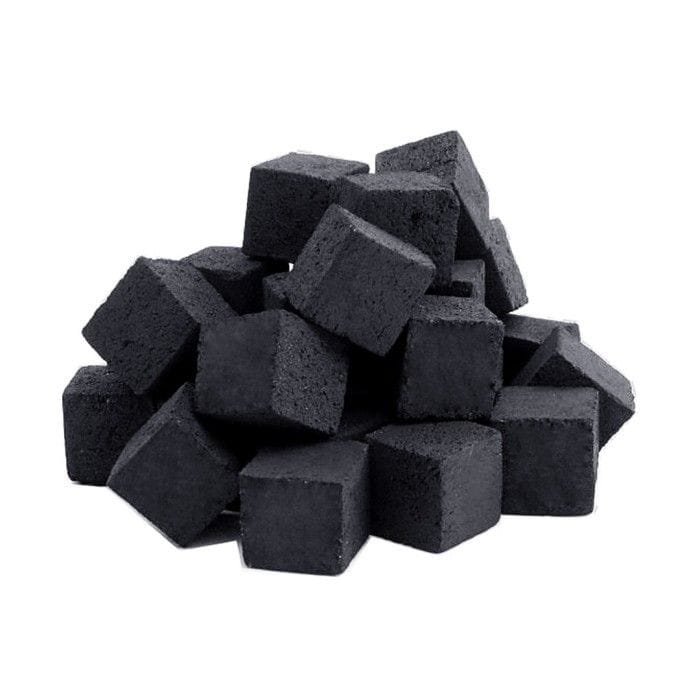
Uniform shape and density can make handling, packing, storage, and usage more predictable. Look for briquettes with consistent dimensions and a firm structure rather than excessive cracks or irregular pieces.
- Consistent size and shape
- Firm and compact structure
- Low levels of broken pieces
- Suitable density for the intended application
Consistent dimensions also help create a more professional product presentation for distributors and retail customers.
7. Check Odor and Smoke
Odor and smoke are important considerations, especially for cooking and hospitality applications. Unwanted smells may indicate unsuitable raw materials, additives, contamination, or inconsistent production processes.
Sample testing can help buyers evaluate ignition, smoke, odor, and overall burning behavior. This is particularly useful when Charcoal Briquettes are intended for markets with specific consumer expectations.
8. Test Durability
Export products may experience multiple stages of handling before reaching the final customer. Briquettes that crumble easily can create excessive fines, product loss, and an unattractive package appearance.
Check the physical strength of the product and inspect how well it withstands normal handling. Strong packaging combined with durable briquettes can help reduce unnecessary breakage during transportation.
9. Review Export Packaging
Packaging protects Charcoal Briquettes from moisture, contamination, impact, and rough handling during transportation. The package should also provide clear product information and suit the requirements of the destination market.
- Moisture-resistant packaging options
- Suitable carton or inner-bag protection
- Accurate net weight information
- Clear labeling and product identification
- Packaging suitable for container shipment
Discuss packaging specifications, palletization, carton dimensions, and container loading with the supplier before finalizing an order.
10. Choose a Reliable Supplier
The supplier plays a major role in maintaining consistent quality. A professional exporter should be able to communicate specifications clearly, provide samples, explain production capabilities, and support appropriate export documentation.
When comparing suppliers, consider more than the lowest price. Evaluate product consistency, quality control, production capacity, packaging, communication, and experience with international shipments.
For more information about charcoal products and export solutions, visit CV BERKAH WIJIL.
For general background information about charcoal, you can also consult Wikipedia as an additional reference source.
Key Specifications to Compare
- Raw material and charcoal source
- Fixed carbon and ash content
- Moisture level
- Heat output and burning duration
- Briquette size, shape, and density
- Odor and smoke characteristics
- Durability and breakage rate
- Packaging and export requirements
Choosing Charcoal Briquettes for export should be based on measurable quality, reliable production, and suitability for the target market. A careful evaluation process can reduce purchasing risks and support better long-term business relationships.
Whether you are sourcing for restaurants, distributors, retailers, or other commercial applications, comparing samples and specifications before ordering is a practical approach. The right Charcoal Briquettes can provide consistent performance while helping exporters build customer confidence and repeat business.
Direvisi oleh adminDG
Related Posts
7 Reasons Coconut Shell Charcoal Briquettes Power Shisha Lounges
-
Posted by
 amirrehman98@gmail.com
5 Critical Quality Metrics for Premium Charcoal Briquettes
-
Posted by
amirrehman98@gmail.com
5 Top Reasons Coconut Charcoal Briquettes Rule Shisha Lounges
-
Posted by
amirrehman98@gmail.com

7 Essential Tips for Choosing the Best Charcoal Briqquetes for Shisha and BBQ
-
Posted by
amirrehman98@gmail.com

5 Top Reasons Shisha Lounges Prefer Coconut Shell Charcoal Briquettes
-
Posted by
amirrehman98@gmail.com
How Charcoal Briquettes Are Made: 7 Premium Production Steps
-
Posted by
amirrehman98@gmail.com
Coconut Charcoal vs Wood Charcoal 100% Best Comparison
-
Posted by
amirrehman98@gmail.com
5 Reasons Coconut Shell Charcoal Briquettes Outperform Wood Fuel
-
Posted by
amirrehman98@gmail.com

5 Key Reasons Coconut Charcoal Briquettes Beat Wood Charcoal
-
Posted by
amirrehman98@gmail.com
7 Tips Coconut Charcoal Briquettes untuk Shisha dan Hookah
-
Posted by
amirrehman98@gmail.com

Hardwood Charcoal vs Coconut Charcoal 2026: Which Is Better?
-
Posted by
amirrehman98@gmail.com
7 Powerful Tips for Choosing Charcoal Cube Briquettes
-
Posted by
amirrehman98@gmail.com