
Blogs
Charcoal vs Wood Charcoal 2026: Which Is Better?

Charcoal: Coconut Shell vs Wood Charcoal Showdown: charcoal charcoal which
- Why the Charcoal Debate Matters
- Key Differences Between Coconut Shell Charcoal and Wood Charcoal
- Environmental Impact
- Flavor & Cooking Performance
- Health & Safety Considerations
- Cost & Availability
- Conclusion: Which Charcoal is Better?
Charcoal has long been a staple for grilling and cooking across cultures. When choosing between coconut shell charcoal and traditional wood charcoal, many chefs and home cooks wonder which option delivers the best combination of flavor, sustainability, and safety.
H2: Understanding the 'Charcoal Charcoal Which' Query: A Buyer's Perspective
Why the Charcoal Debate Matters
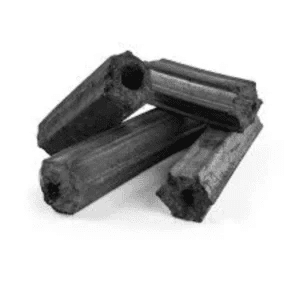
Both coconut shell charcoal and wood charcoal ignite quickly and provide heat for cooking, but their production methods differ dramatically. The choice you make can affect your kitchen’s aroma, the planet’s health, and even your own wellbeing.
H2: Supply Chain Reliability & Quality Assurance from Indonesian Suppliers
Key Differences Between Coconut Shell Charcoal and Wood Charcoal
- Raw Material: Coconut shells are waste from the coconut industry, while wood charcoal comes from trees—often harvested from forests.
- Burn Time: Coconut shell charcoal typically burns longer, offering a steady heat source.
- Heat Output: Wood charcoal can reach higher temperatures, ideal for searing.
- Flavor Infusion: Coconut shell imparts a subtle sweet aroma; wood charcoal can impart a stronger woodsy taste.
Environmental Impact
Carbon Footprint
Coconut shell charcoal production uses the shell waste that would otherwise decompose, reducing methane emissions. Wood charcoal production often requires cutting trees, contributing to carbon release.
Resource Sustainability
Because coconut shells are a by‑product, they represent a circular economy. Wood charcoal depends on sustainable forestry practices; unsustainable logging can deplete forest cover.
Flavor & Cooking Performance
For a subtle, sweet grilling experience, coconut shell charcoal is preferred. If you crave a pronounced smoky flavor and high heat for quick sears, wood charcoal may be the better choice. Many chefs blend both types to balance flavor and temperature.
Health & Safety Considerations
Coconut shell charcoal generally produces fewer toxic gases, whereas wood charcoal can release more volatile organic compounds if not properly cured. Both types should be used in well‑ventilated areas to avoid carbon monoxide buildup.
Cost & Availability
In many markets, coconut shell charcoal is priced competitively due to its waste‑based origin. Wood charcoal prices fluctuate with wood supply and sustainability certifications. Availability can also vary by region.
Conclusion: Which Charcoal is Better?
If sustainability and low emissions are your priorities, coconut shell charcoal is the smarter pick. For maximum heat and a stronger smoky flavor, wood charcoal remains unmatched. Consider your cooking style, environmental values, and budget when making the final decision.
Discover more reliable sources on charcoal at sumber tepercaya. Explore our range of premium coconut shell charcoal at website kami.
Direvisi oleh adminDG
Related Posts
5 Reasons Coconut Charcoal Briquettes Are the Future of Clean Fuel
-
Posted by
 amirrehman98@gmail.com
5 Reasons Pure Coconut Shell Charcoal Outperforms Wood in Hookah
-
Posted by
amirrehman98@gmail.com

7 Essential Tips for Choosing the Best Charcoal Briqquetes for Shisha and BBQ
-
Posted by
amirrehman98@gmail.com
How Charcoal Briquettes Are Made: 7 Premium Production Steps
-
Posted by
amirrehman98@gmail.com
7 Best Reasons Coconut Charcoal Briquettes Elevate Lounge Heat
-
Posted by
amirrehman98@gmail.com
Coconut Charcoal vs Wood Charcoal 100% Best Comparison
-
Posted by
amirrehman98@gmail.com
5 Reasons Coconut Shell Charcoal Briquettes Outperform Wood Fuel
-
Posted by
amirrehman98@gmail.com

5 Key Reasons Coconut Charcoal Briquettes Beat Wood Charcoal
-
Posted by
amirrehman98@gmail.com
7 Tips Coconut Charcoal Briquettes untuk Shisha dan Hookah
-
Posted by
amirrehman98@gmail.com
7 Powerful Tips for Choosing Charcoal Cube Briquettes
-
Posted by
amirrehman98@gmail.com
7 Expert Tips for Choosing Charcoal for Commercial BBQ
-
Posted by
amirrehman98@gmail.com
Coconut Charcoal Briquettes: 7 Powerful Key Differences
-
Posted by
amirrehman98@gmail.com