
Blogs
7 Smart Tips for Choosing Quality Hardwood Lump Charcoal

Table of Contents
H2 What Defines High-Quality Hardwood Lump Charcoal?
- What Defines High-Quality Hardwood Lump Charcoal?
- Check the Wood Source
- Look at Lump Size and Consistency
- Evaluate Ash and Moisture
- Check Heat and Burning Performance
- Choose a Reliable Supplier
- Final Quality Checklist
How to Choose High-Quality Hardwood Lump Charcoal: smart choosing quality
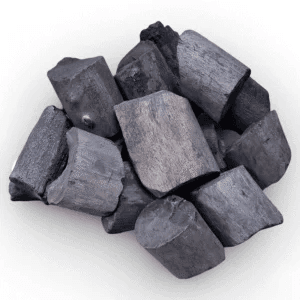
Choosing Hardwood Lump Charcoal is important for restaurants, BBQ businesses, food manufacturers, and professional grill users. The right charcoal can provide strong heat, consistent burning, and a cleaner cooking experience.
H2 Final Quality Checklist
However, not all charcoal has the same quality. Before buying, buyers should evaluate the wood source, lump size, moisture level, ash content, burning performance, and supplier reliability.
1. Check the Wood Source
The type and quality of wood used during production have a major influence on the final product. Good Hardwood Lump Charcoal is generally produced from suitable hardwood species that can create stable heat and durable charcoal pieces.
Ask the supplier about the wood source and production process. Responsible sourcing is also important for buyers who want a more sustainable fuel option and consistent product specifications.
Understanding charcoal production and properties can also help buyers make better purchasing decisions.
2. Look at Lump Size and Consistency
High-quality Hardwood Lump Charcoal should contain a useful proportion of medium to large pieces rather than excessive dust and tiny fragments. Consistent lump sizes can make loading, airflow management, and heat control easier.
- Look for solid and well-carbonized pieces.
- Check whether excessive charcoal dust is present.
- Consider the size range required for your cooking equipment.
- Ask about available grading and screening specifications.
For commercial buyers, consistent sizing can also help reduce waste and improve operational efficiency.
3. Evaluate Ash and Moisture
Ash content is another useful quality indicator. Hardwood Lump Charcoal with lower ash content can leave less residue after combustion, which may reduce the need for frequent cleaning during repeated grilling sessions.
Moisture should also be considered because excess moisture can make charcoal harder to ignite and may reduce effective heat output. Proper packaging and storage are therefore important from production through delivery.
4. Check Heat and Burning Performance
One of the most important characteristics of Hardwood Lump Charcoal is its ability to generate and maintain useful cooking heat. Quality charcoal should ignite efficiently and provide stable heat when airflow is properly controlled.
For professional applications, buyers should evaluate ignition time, heat intensity, burning duration, and the amount of smoke produced during normal use. These factors can directly affect cooking consistency.
5. Examine the Appearance and Structure
Good charcoal pieces should look properly carbonized, relatively dry, and structurally sound. Pieces that are extremely soft, heavily contaminated, or unusually damp may indicate problems with processing, handling, or storage.
Visual inspection is especially useful when comparing samples from different suppliers. Requesting a product sample before placing a large order can provide valuable information about actual quality.
6. Choose a Reliable Supplier
A dependable supplier should be able to provide clear product information and maintain consistent specifications between shipments. This is particularly important when purchasing Hardwood Lump Charcoal in bulk for international or commercial use.
- Ask for product specifications and available grades.
- Confirm packaging and weight options.
- Request samples before bulk purchasing.
- Discuss production capacity and lead times.
- Check quality control procedures.
For more information about charcoal products and sourcing options, visit our official website.
7. Use a Simple Quality Checklist
Before selecting Hardwood Lump Charcoal, compare suppliers using the same criteria. A structured evaluation can make it easier to identify products that match your application and purchasing requirements.
- Wood source: suitable and responsibly sourced.
- Carbonization: properly processed with consistent appearance.
- Lump size: appropriate for the intended equipment.
- Moisture: adequately dry and properly packaged.
- Ash: suitable for your application.
- Performance: reliable ignition and stable heat.
- Supplier: capable of maintaining consistent quality.
Ultimately, selecting quality Hardwood Lump Charcoal requires more than simply comparing prices. Product consistency, heat performance, lump size, moisture, ash content, sourcing, and supplier reliability should all be considered together.
For restaurants, distributors, BBQ businesses, and importers, taking time to evaluate these factors can help reduce product issues and support more consistent cooking results. A reliable supplier and clearly defined specifications are the foundation of a successful long-term charcoal supply.
Direvisi oleh adminDG
Related Posts
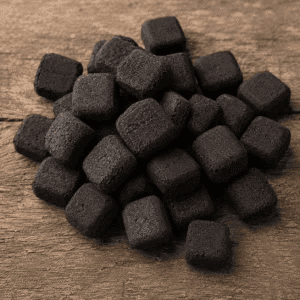
5 Reasons Coconut Charcoal Briquettes Are the Future of Clean Fuel
-
Posted by
 amirrehman98@gmail.com
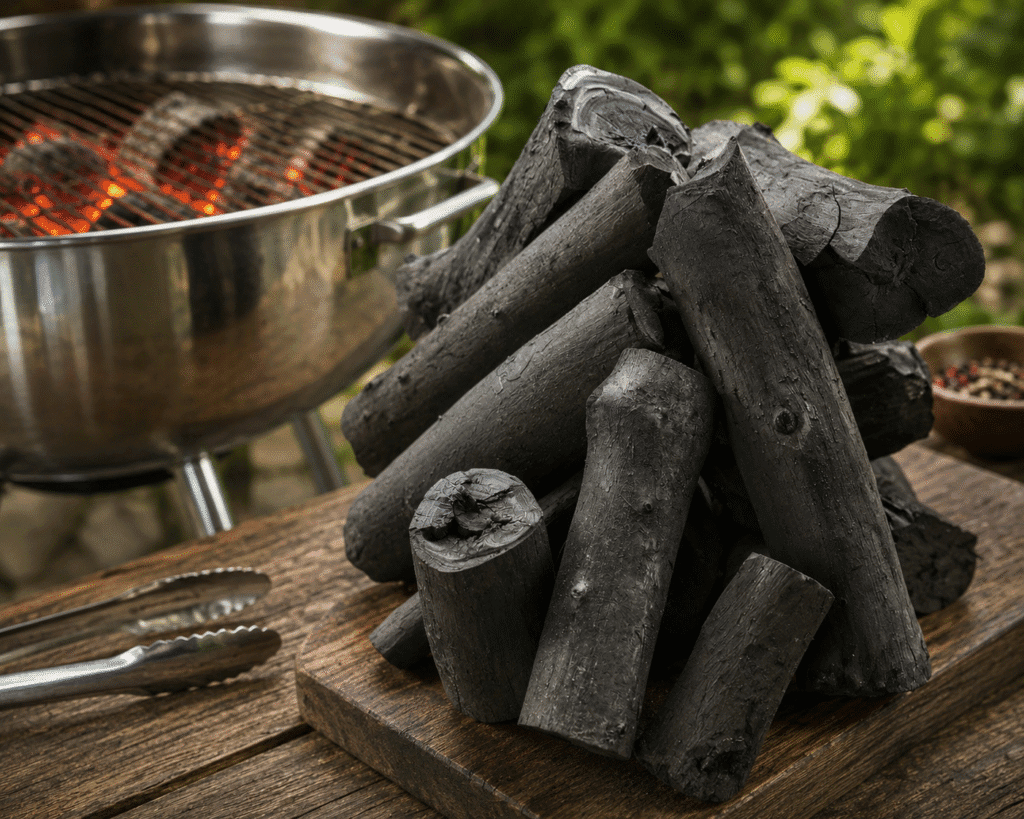
5 Reasons Coconut Shell Charcoal Briquettes Outperform Wood Fuel
-
Posted by
amirrehman98@gmail.com
7 Tips Coconut Charcoal Briquettes untuk Shisha dan Hookah
-
Posted by
amirrehman98@gmail.com

Hardwood Charcoal vs Coconut Charcoal 2026: Which Is Better?
-
Posted by
amirrehman98@gmail.com
7 Powerful Tips for Choosing Charcoal Cube Briquettes
-
Posted by
amirrehman98@gmail.com
7 Expert Tips for Choosing Charcoal for Commercial BBQ
-
Posted by
amirrehman98@gmail.com
Coconut Charcoal Briquettes: 7 Powerful Key Differences
-
Posted by
amirrehman98@gmail.com
Charcoal Premium 2026: Price Guide & Trusted Suppliers
-
Posted by
amirrehman98@gmail.com
7 Premium Hardwood Charcoal Briquettes Tips for Commercial BBQ
-
Posted by
amirrehman98@gmail.com
7 Powerful Charcoal Sticks Tips for Better Grilling
-
Posted by
amirrehman98@gmail.com
7 Proven Tips: How Hardwood Charcoal Is Made from Natural Wood
-
Posted by
amirrehman98@gmail.com
7 Premium Charcoal Cube Briquettes Tips for Hookah & Shisha
-
Posted by
amirrehman98@gmail.com