
Blogs
7 Proven Insights Into Indonesian Charcoal Quality and Export Potential

Table of Contents
H2 Key Quality Factors for Indonesian Charcoal
Indonesian Charcoal: Quality, Production, and Export Potential: proven insights into
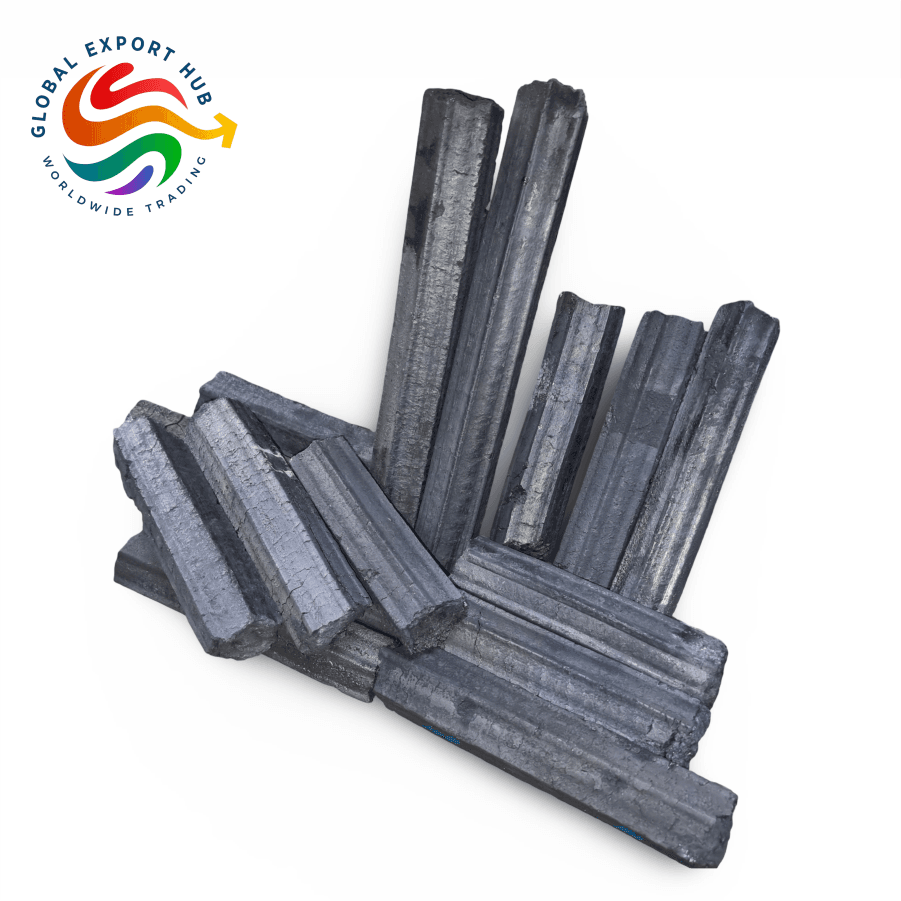
Indonesian Charcoal has become an important product in international markets, especially for buyers seeking coconut shell charcoal and charcoal briquettes. Indonesia’s abundant coconut resources, experienced producers, and growing processing capabilities create strong opportunities for consistent supply.
H2 Technical Specifications & Certification Standards
For importers, understanding how charcoal is produced and evaluated is essential. Product quality can influence burning performance, customer satisfaction, shipping efficiency, and long-term purchasing decisions.
Key Quality Factors for Indonesian Charcoal
High-quality Indonesian Charcoal should be assessed through measurable characteristics rather than appearance alone. Buyers commonly review raw material, moisture, ash content, fixed carbon, density, burning time, and ignition performance.
- Raw material: Coconut shells are widely used for premium applications.
- Moisture: Lower moisture can support cleaner and more efficient burning.
- Ash content: Lower ash is generally preferred for many shisha and cooking applications.
- Fixed carbon: Higher fixed carbon can contribute to stable heat and longer burning.
- Density: Dense briquettes can provide better durability during handling and transport.
Specifications should be confirmed with the supplier before placing a large order. Consistent testing and clear product documentation help buyers compare offers more accurately.
How Indonesian Charcoal Is Produced
The production process normally begins with selecting and preparing suitable coconut shells. The shells are carbonized under controlled conditions to produce charcoal, then processed into a form suitable for the intended market.
For briquette production, charcoal is typically crushed into powder, mixed with a binder and water, shaped under pressure, and dried. Careful control of each stage can improve strength, moisture stability, and burning characteristics.
Modern facilities may use standardized molds, controlled drying systems, and quality checks to create uniform products. Packaging is also important because it protects briquettes from moisture and physical damage before they reach the customer.
Why Indonesian Charcoal Has Export Potential
Indonesia has a natural advantage in coconut-based charcoal because coconut processing generates shells that can become valuable raw material. This creates an opportunity to convert agricultural by-products into a commercially useful fuel.
Indonesian Charcoal can serve several international segments, including shisha and hookah, barbecue, restaurants, hospitality businesses, and specialty fuel distributors. Demand can vary by market, so exporters need to understand the specifications and packaging expectations of each destination.
Export readiness also depends on dependable production capacity, documentation, packaging, logistics planning, and communication. A competitive supplier should be able to explain product specifications clearly and provide samples when appropriate.
What Global Buyers Should Check Before Ordering
Choosing a supplier requires more than comparing the lowest price. Buyers should evaluate whether the producer can maintain consistent quality across repeat shipments and meet agreed specifications.
- Request detailed product specifications and available grades.
- Ask about minimum order quantities and production capacity.
- Confirm packaging options for retail or bulk shipments.
- Discuss quality inspection and sample approval procedures.
- Review shipping terms, lead times, and export documentation.
- Check whether the supplier can support long-term supply requirements.
For background information about charcoal and related materials, buyers can consult this trusted reference. For product and supplier information, visit our website to explore available options from CV BERKAH WIJIL.
Building Long-Term Value With Indonesian Charcoal
Market requirements can differ significantly between destinations. Some buyers prioritize low ash and long burning time, while others focus on shape, packaging, private labeling, or specific carton weights. Clarifying these requirements early helps suppliers prepare the right product and reduces unnecessary revisions during production.
The strongest export opportunities come from combining reliable raw materials with disciplined production and transparent business practices. Suppliers that prioritize consistency can build stronger relationships with international buyers and reduce quality-related risks.
Indonesian Charcoal therefore offers more than a traditional fuel product. With suitable specifications, responsible processing, dependable packaging, and professional export support, it can become a competitive solution for buyers in multiple global markets.
For businesses planning to source from Indonesia, the best approach is to define the required specifications first, compare qualified suppliers, test samples, and establish clear quality expectations before confirming regular orders.
Direvisi oleh adminDG
Related Posts
7 Reasons Coconut Shell Charcoal Briquettes Power Shisha Lounges
-
Posted by
 amirrehman98@gmail.com
5 Reasons Coconut Charcoal Briquettes Are the Future of Clean Fuel
-
Posted by
amirrehman98@gmail.com
5 Critical Quality Metrics for Premium Charcoal Briquettes
-
Posted by
amirrehman98@gmail.com
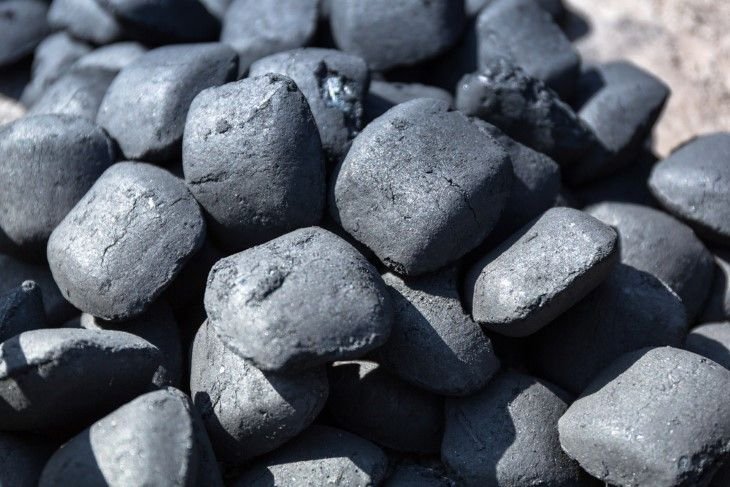
5 Reasons Pure Coconut Shell Charcoal Outperforms Wood in Hookah
-
Posted by
amirrehman98@gmail.com
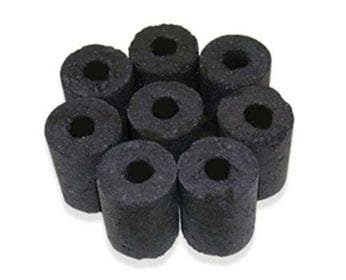
5 Top Reasons Coconut Charcoal Briquettes Rule Shisha Lounges
-
Posted by
amirrehman98@gmail.com

7 Essential Tips for Choosing the Best Charcoal Briqquetes for Shisha and BBQ
-
Posted by
amirrehman98@gmail.com

5 Top Reasons Shisha Lounges Prefer Coconut Shell Charcoal Briquettes
-
Posted by
amirrehman98@gmail.com
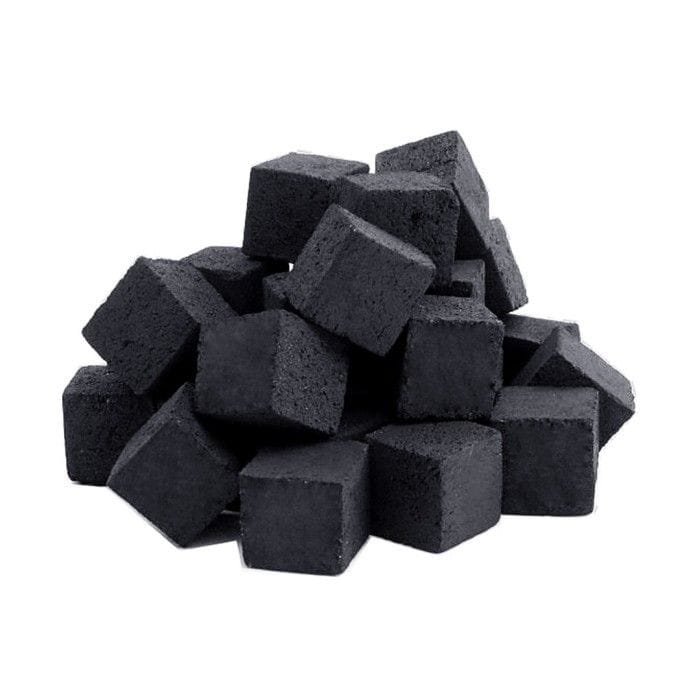
How Charcoal Briquettes Are Made: 7 Premium Production Steps
-
Posted by
amirrehman98@gmail.com
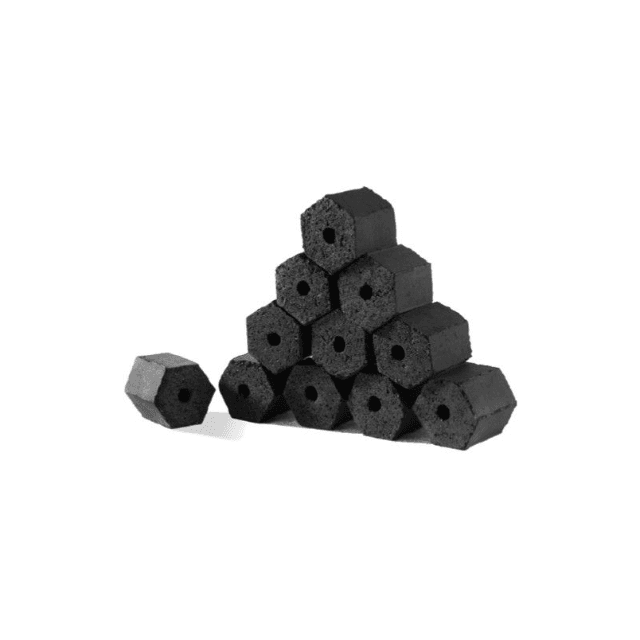
7 Best Reasons Coconut Charcoal Briquettes Elevate Lounge Heat
-
Posted by
amirrehman98@gmail.com
Coconut Charcoal vs Wood Charcoal 100% Best Comparison
-
Posted by
amirrehman98@gmail.com
5 Reasons Coconut Shell Charcoal Briquettes Outperform Wood Fuel
-
Posted by
amirrehman98@gmail.com

5 Key Reasons Coconut Charcoal Briquettes Beat Wood Charcoal
-
Posted by
amirrehman98@gmail.com