
Blogs
Coconut Charcoal Briquettes vs Hardwood Charcoal: Which is Better 2026?

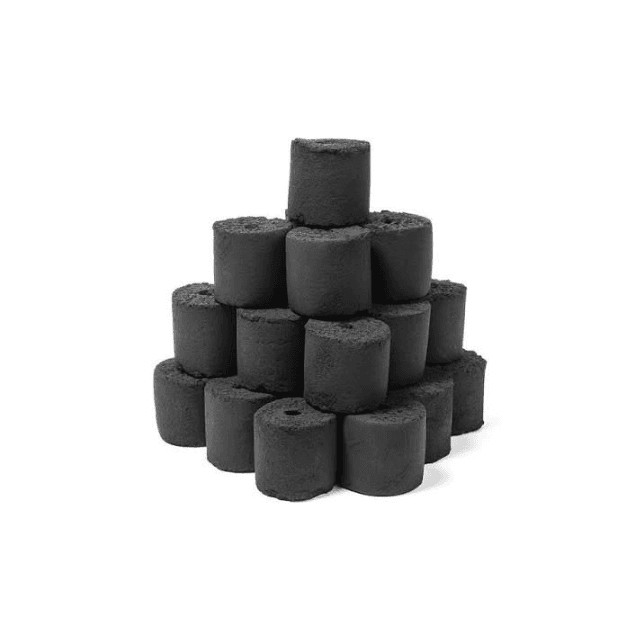
Coconut Charcoal Briquettes vs Hardwood Charcoal Comparison Guide
Table of Contents
- Introduction to Commercial Grilling Fuels
- Key Advantages of Coconut Charcoal Briquettes
- Evaluating Hardwood Lump Charcoal Performance
- Heat Output and Burning Duration Comparison
- Ash Content, Smoke Levels, and Flavor Integrity
- Environmental Impact and Deforestation Factors
- Final Verdict: Choosing the Right Charcoal Fuel
Introduction to Commercial Grilling Fuels
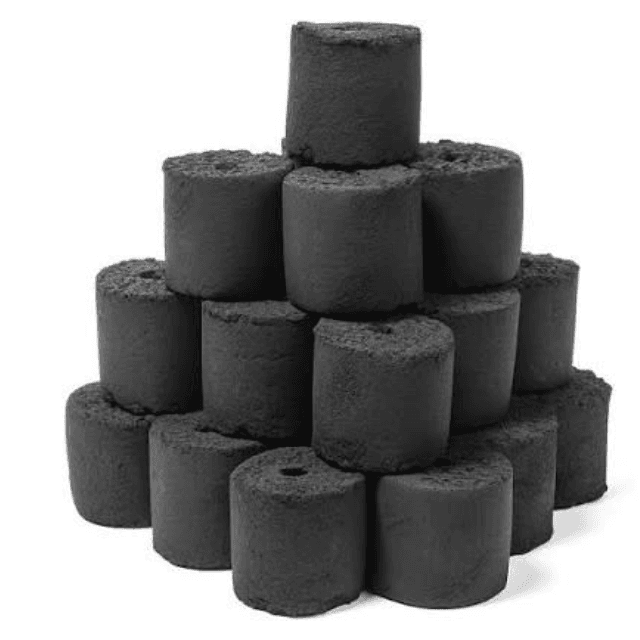
Selecting the ideal solid fuel source directly determines thermal efficiency, food flavor integrity, and operational costs for commercial kitchens and pitmasters. Premium Coconut Charcoal Briquettes have gained immense popularity as a high-density, eco-friendly alternative to traditional lump charcoal derived from forest timber.
Manufactured from upcycled agricultural waste, compressed coconut shell fuel provides steady thermal performance for long cooking sessions. To understand the thermochemical process behind biomass carbonization and solid biofuel standards, review this authoritative guide on briquette technology.
Key Advantages of Coconut Charcoal Briquettes
Importers and restaurant operators favor high-purity Coconut Charcoal Briquettes primarily due to their dense structural uniformity and long-lasting caloric density. Because compressed coconut shell fuel burns evenly from outer edges inward, chefs experience predictable temperature regulation across grilling surfaces.
Furthermore, refined Coconut Charcoal Briquettes release minimal smoke and zero unpleasant odors during active combustion. This clean burn ensures that delicate meats, seafood, and vegetables absorb authentic culinary marinades rather than acrid wood fumes.
Evaluating Hardwood Lump Charcoal Performance
Traditional hardwood lump charcoal remains popular among classic barbecue enthusiasts who desire rapid ignition speeds and intense initial searing temperatures. Natural wood chunks light quickly, reaching peak heat output within fifteen minutes of ignition.
However, natural lump charcoal suffers from irregular piece sizes and unpredictable burning rates. Unlike uniform Coconut Charcoal Briquettes, raw hardwood coals burn out rapidly, requiring kitchen staff to replenish fuel beds constantly during extended catering operations.
Heat Output and Burning Duration Comparison
When measuring operational efficiency, high-grade Coconut Charcoal Briquettes maintain steady thermal radiation for up to two and a half hours continuously. This extended burning window significantly reduces total fuel consumption during high-volume commercial service hours.
Conversely, hardwood lump coal dissipates thermal energy much faster, often extinguishing within an hour. Utilizing dense Coconut Charcoal Briquettes allows commercial pitmasters to maintain steady low-and-slow barbecue temperatures without sudden heat spikes.
Ash Content, Smoke Levels, and Flavor Integrity
Ash accumulation represents another critical factor when evaluating commercial grilling performance. Superior Coconut Charcoal Briquettes leave behind less than two point five percent white ash residue, preventing air blockage and making cleanup effortless for kitchen workers.
In contrast, uncompressed timber coal yields heavy grey ash that scatters across food surfaces during windy outdoor grilling. Switching to low-ash Coconut Charcoal Briquettes preserves food presentation while eliminating bitter chemical aftertastes caused by burning timber resins.
Environmental Impact and Deforestation Factors
Sustainability plays a vital role in modern fuel procurement decisions for international buyers and eco-conscious businesses. Sourcing 100% natural Coconut Charcoal Briquettes supports zero-waste agricultural recycling by utilizing discarded coconut husks from Indonesian coconut plantations.
Conversely, hardwood lump charcoal production frequently contributes to regional deforestation and natural forest depletion. Choosing sustainable Coconut Charcoal Briquettes reduces environmental harm while offering superior calorific value for commercial grilling applications.
Final Verdict: Choosing the Right Charcoal Fuel
While hardwood charcoal suits quick domestic searing requiring high initial flames, compressed coconut shell briquettes win across every commercial category. Extended burning times, minimal ash production, smokeless heat, and consistent temperature control make coconut shell coals the superior investment.
CV BERKAH WIJIL produces export-grade, eco-friendly charcoal commodities tested to meet rigorous international quality standards. Visit our official website catalog today to request bulk product specifications, shipping documentation, and wholesale price quotes.
Direvisi oleh adminDG